The best places to go in Idaho depend on the trip you want: Stanley for Sawtooth mountain scenery, Boise for a city-and-outdoors mix, Twin Falls for the Snake River Canyon, and Coeur d’Alene or Sandpoint for northern lakes. Craters of the Moon adds a very different volcanic landscape. Pick one region first; trying to connect every famous stop can turn a vacation into a series of long driving days.
This guide groups Idaho vacation spots by the experience they offer, with suggestions for combining nearby stops. Use the things-to-do hub to investigate individual attractions and the town guides to choose an overnight base.
Which Idaho places should you visit first?
| Your main interest | Start with | Build the trip around |
|---|---|---|
| Mountain scenery | Stanley | Redfish Lake and the Sawtooths |
| Restaurants and easy outdoor time | Boise | The Greenbelt and downtown |
| Waterfalls and canyon views | Twin Falls | Shoshone Falls and the canyon rim |
| A northern lake vacation | Coeur d’Alene or Sandpoint | Waterfront time and nearby trails |
| Geology and history | Southern Idaho | Craters of the Moon, Hagerman and Minidoka |
For a short first visit, choose one row. With a week, connect two compatible areas and leave time for weather, meals and an unscheduled afternoon. These are suggested trip shapes, not promises that every stop will fit a particular travel day.
Stanley and the Sawtooths: Idaho’s alpine-lake country
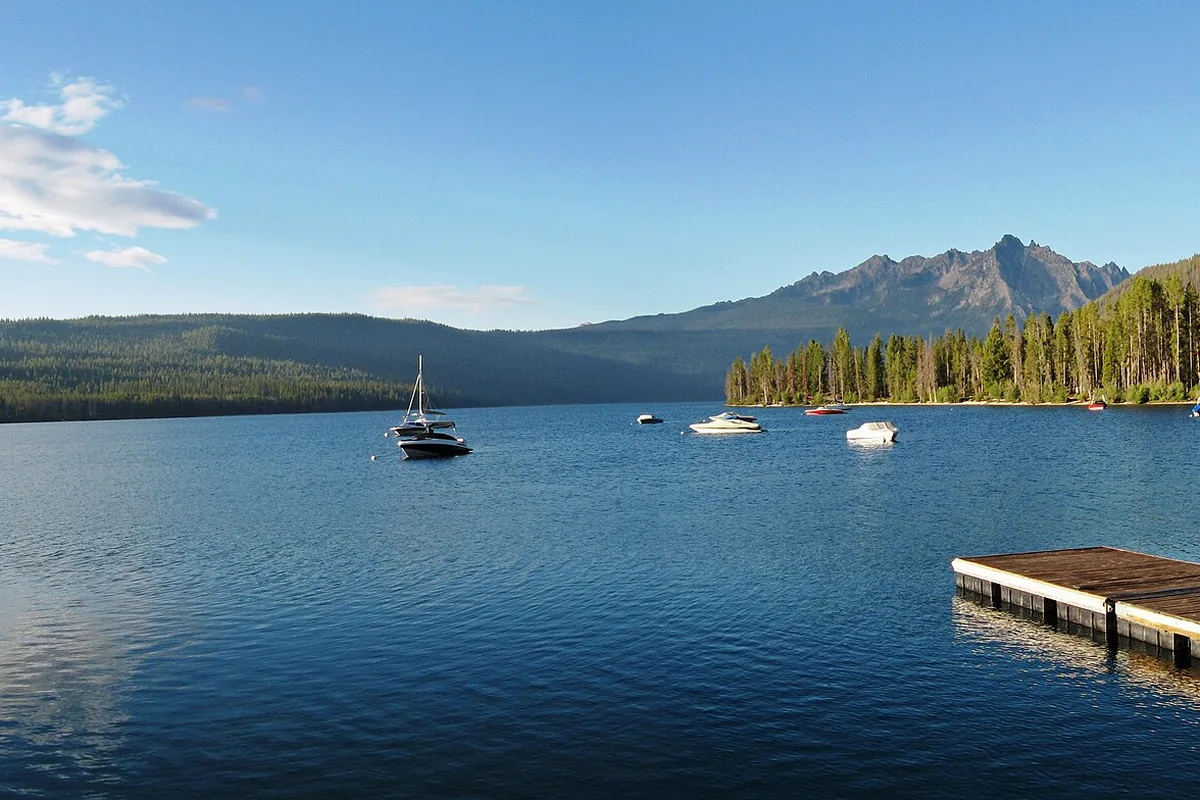
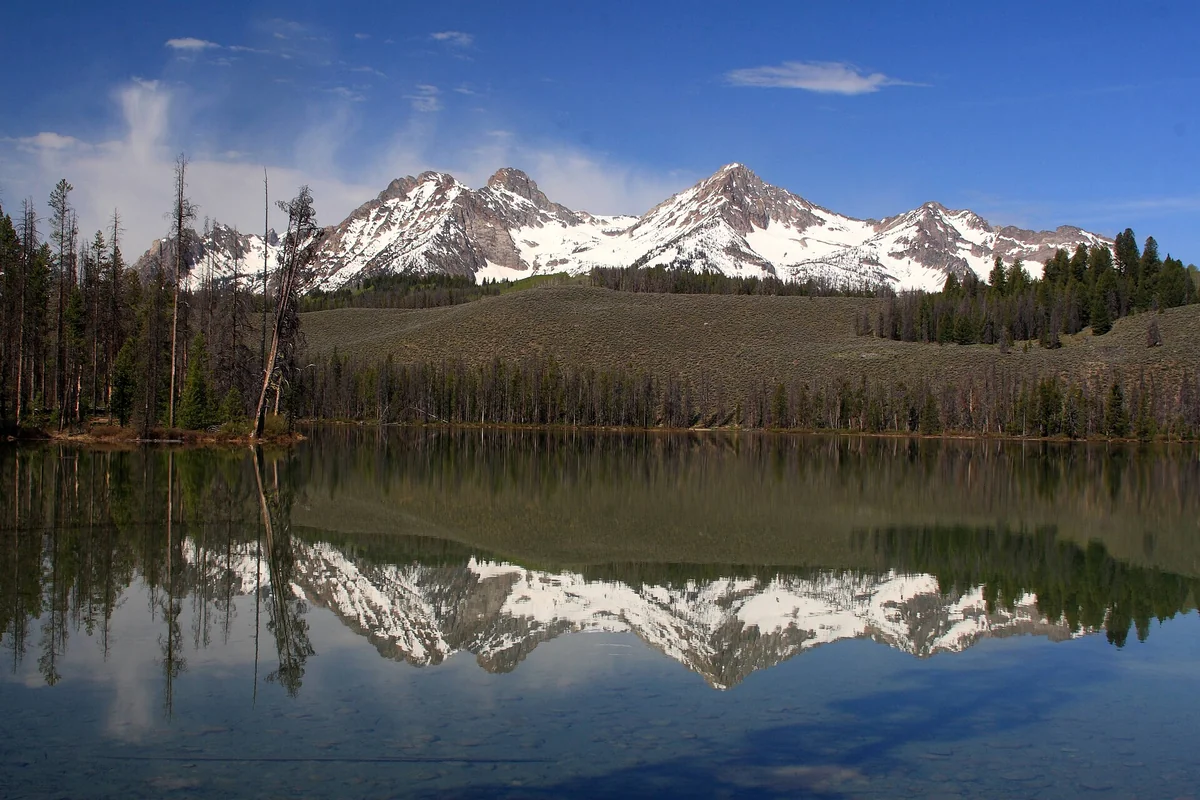
Stanley makes sense when the mountains are the reason for traveling. The surrounding Sawtooth country brings together pointed ridgelines, lakes, forest roads and access to the Salmon River. Redfish Lake is a strong first stop because you can appreciate the setting without committing to a major backcountry hike.
Decide separately how much hiking you want. A lakeside outing, a maintained forest trail and an alpine pass are different undertakings, even when they appear close together on a map. Read the Sawtooth hikes guide before choosing a route, then check land-manager conditions. Snow, wildfire closures and afternoon weather can change a plan that looked straightforward at home.
Stay around Stanley when early trail starts and lake time matter most. Give yourself more than a photograph stop: a second morning lets you trade a cloudy arrival for a clearer view, or take an easier walk after a strenuous day.
Sun Valley and Ketchum: a mountain base with more town time
The Sun Valley area suits travelers who want mountain recreation alongside restaurants, lodging choices and a town-centered evening. Ketchum is a useful base for exploring the Wood River Valley. In winter, the focus shifts toward skiing; in warmer weather, walking, cycling and mountain trails offer a different pace.
Do not assume a ski lift runs for summer sightseeing simply because it appears on a map. Sun Valley’s official hiking page posts seasonal operating information and construction-related trail changes. Plan a ground-level alternative before booking a mountain day around lift access.
Boise: the easiest mix of city sights and outdoor time
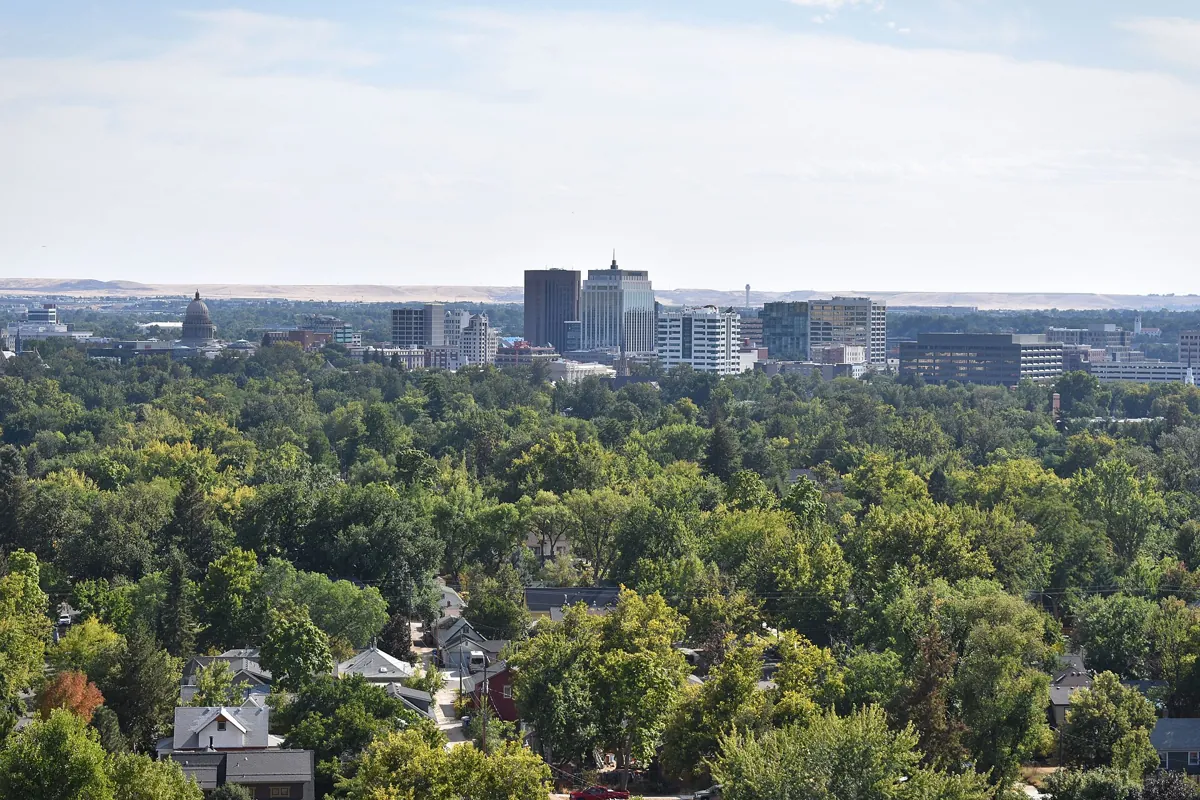
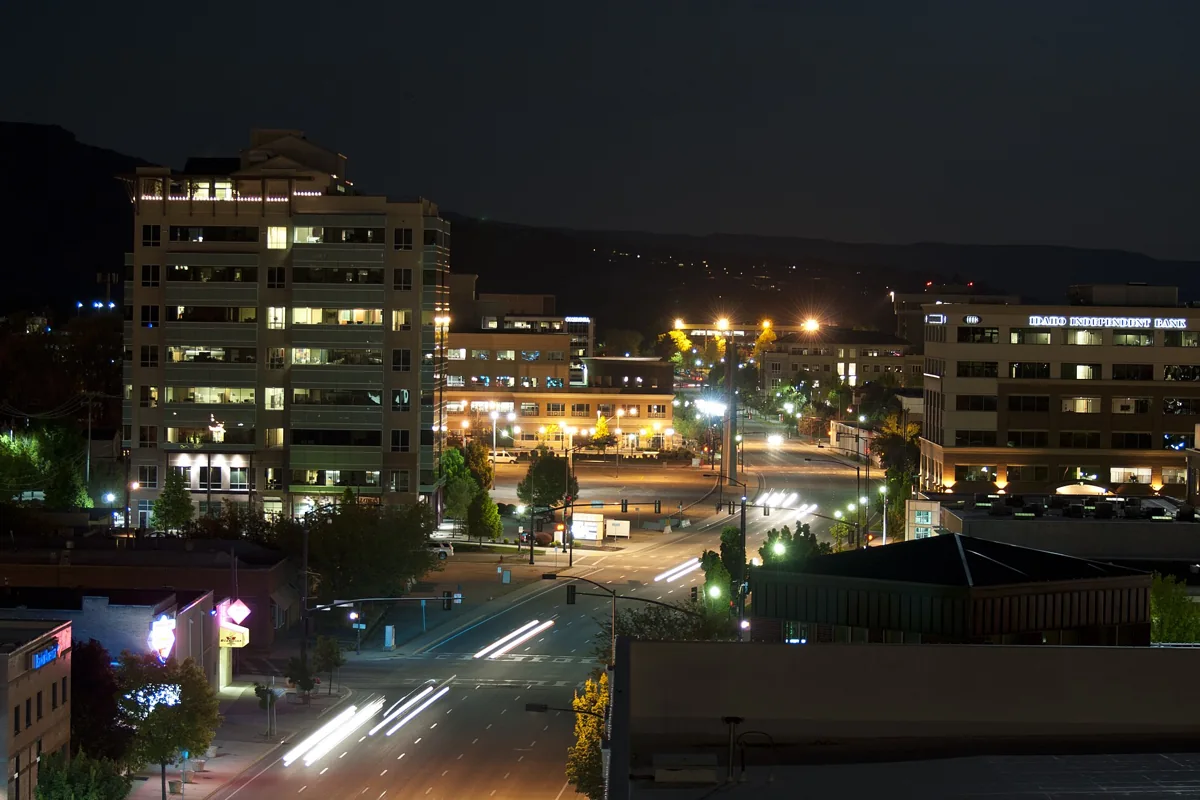
Choose Boise if your group has mixed interests. You can organize a day around downtown, then add time beside the Boise River rather than driving to a remote trailhead. The Boise River Greenbelt is a useful starting point for walking or cycling, with parks and different access points along the river corridor.
For a first visit, pair one stretch of river with a manageable downtown plan instead of trying to cover the full path system. Our Boise attractions guide helps with the city portion; day trips from Boise make more sense once you have a spare day rather than a few spare hours.
Twin Falls: canyon scenery and major tourist attractions in Idaho
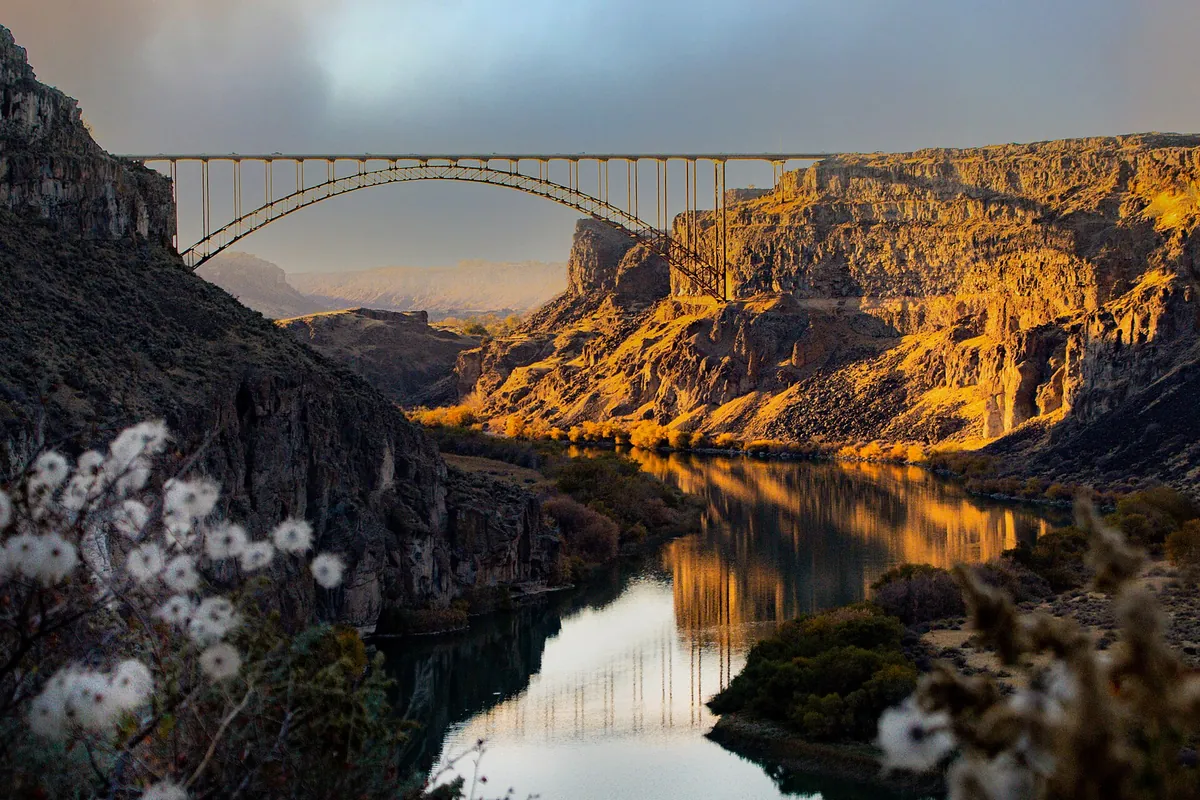
Twin Falls is the natural base for a Snake River Canyon trip. Start with the canyon rim and Perrine Bridge, then visit Shoshone Falls as a separate stop. The city identifies Shoshone Falls as 212 feet high, but height is only part of the experience: the amount of water changes.
Check the city’s Shoshone Falls information before making the waterfall the centerpiece of your route. Spring runoff can create a very different scene from late-season low water. Do not treat an impressive photograph as a forecast for your visit.
Use the canyon rim for an easier scenic outing, then decide whether to add Dierkes Lake or more time downtown. A view of the canyon from above is not the same activity as entering it or paddling the river; those require separate access and safety planning.
Craters of the Moon: volcanic sights to see in Idaho
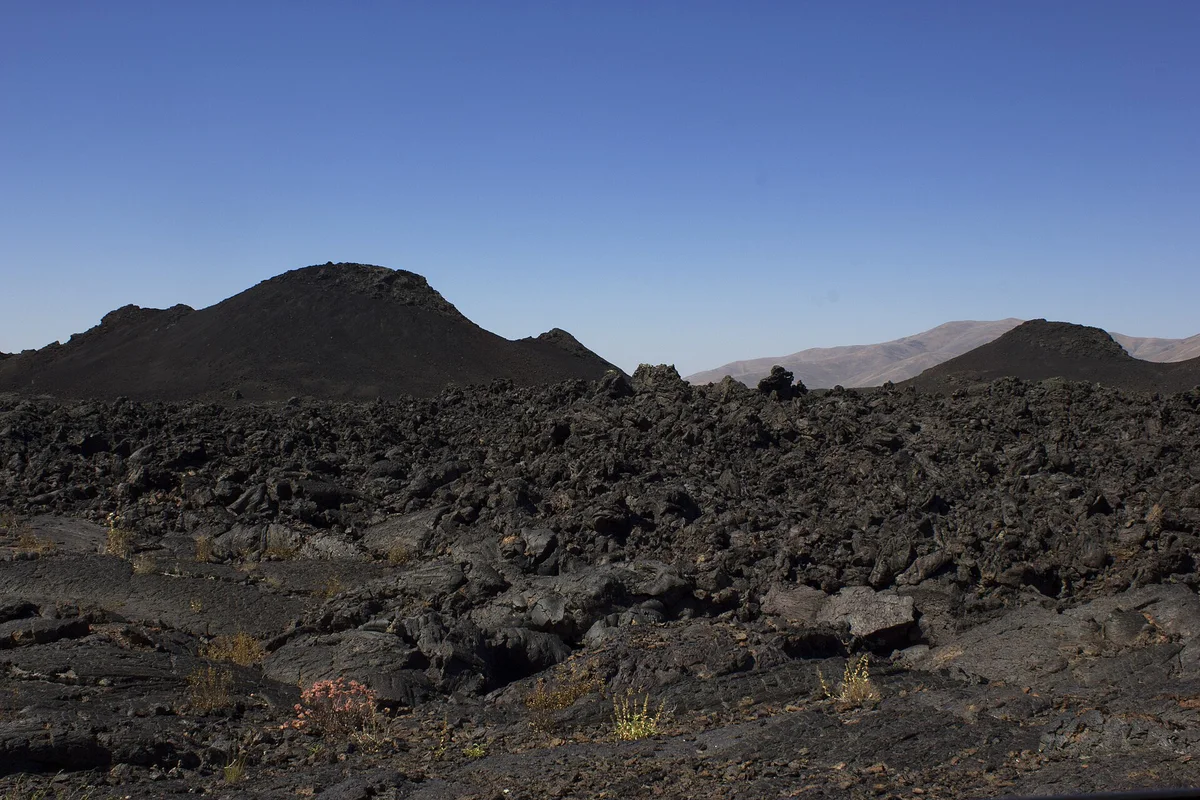
Craters of the Moon National Monument and Preserve changes the visual rhythm of an Idaho trip. Lava fields, cinder cones and lava tubes replace the usual mountain-lake scenery. It is a good choice for travelers interested in geology or families who want an outdoor stop with a clear story to explore.
Build your visit around the season. Winter changes road access and how people move through the landscape. In warmer months, exposed lava offers little relief from sun and heat. Carry water and choose walks for the actual conditions, not just their appearance on a trail map.
Caves require additional preparation. The National Park Service cave guidance explains permits, bat-protection requirements and closures. A park entrance pass is not a cave permit. Verify the current process before promising children a cave visit.
Coeur d’Alene and Sandpoint: northern lake vacation spots
For a trip centered on water, consider Coeur d’Alene and Sandpoint. Lake Coeur d’Alene and Lake Pend Oreille anchor two different northern Idaho bases, with waterfront outings, nearby trails and room for a slower itinerary. Choose the town that best matches your lodging and activities instead of moving hotels every night.
Plan a northern lake trip around more than swimming. A cool or windy day can still work for a walk, a town afternoon or a scenic drive. Our guides to Lake Coeur d’Alene and Lake Pend Oreille help separate the destinations. Winter is a different trip, with ski areas and winter road conditions replacing the beach-day plan.
Hagerman and Minidoka: southern Idaho beyond the viewpoints
Hagerman Fossil Beds adds deep natural history to a southern Idaho route. Start at the Thousand Springs Visitor Center for fossil exhibits. The National Park Service makes an important distinction: the fossil beds themselves are not open for public excavation visits. Do not arrive expecting to dig or walk among exposed skeletons.
Minidoka National Historic Site preserves part of a World War II Japanese American incarceration site. Approach it as a place for learning and reflection, not simply another scenic stop. Check visitor-center availability and allow time to read the interpretation. Both destinations reward a deliberate visit rather than being squeezed between waterfall photographs.
How to turn Idaho must-see places into a workable route
- For a long weekend: choose Boise, the Sawtooths, Twin Falls or one northern lake town. Keep most activities around that base.
- For a southern Idaho week: consider Boise, Twin Falls and selected geology or history stops. Add only the detours you genuinely want.
- For a mountain-focused week: combine the Sun Valley area with Stanley if road and weather conditions suit your dates.
- For a northern week: build around Coeur d’Alene and Sandpoint, allowing full days for lakes and trails rather than treating the north as an add-on to Boise.
Before booking, check road conditions through Idaho 511 and opening information with the relevant park or attraction. Summer heat, lingering high-country snow and winter driving can exist within the same broad travel season. Keep one flexible activity each day, and choose your lodging after you have identified the experiences that matter most.
Questions before you go
Where should a first-time visitor go in Idaho?
Choose Boise for a city-and-outdoors mix, Stanley for Sawtooth scenery, Twin Falls for the Snake River Canyon, or Coeur d’Alene and Sandpoint for northern lakes. One regional base is usually more practical than a statewide checklist.
Is one week enough to see Idaho?
A week works well for a regional trip or two compatible areas. It is not enough to give every major northern, central and southern destination much time without substantial driving.
Can you enter the caves at Craters of the Moon?
Only designated caves may be open, and cave entry requires a separate permit and compliance with bat-protection rules. Check the National Park Service guidance and current closures before visiting.
Sources & planning resources
- Visit Idaho: statewide things to do
- Visit Idaho: central Idaho
- Visit Idaho: northern Idaho
- Visit Idaho: road trip stops
- City of Twin Falls: Shoshone Falls
- NPS: Craters of the Moon cave requirements
- NPS: winter at Craters of the Moon
- NPS: Hagerman visitor center
- NPS: Minidoka visitor planning
- Sun Valley: hiking and operational updates