Minidoka National Historic Site preserves part of the southern Idaho landscape where Japanese Americans were incarcerated during World War II. A visit combines historic structures, outdoor exhibits, and, when open, a visitor center that explains the forced removal of families from their West Coast communities. Come with time to read and reflect rather than treating the site as a quick roadside photograph.
Understand the history before you arrive
Minidoka was one of ten War Relocation Authority incarceration centers established during World War II. The National Park Service explains how Executive Order 9066 and subsequent military exclusion orders uprooted people of Japanese ancestry, including American citizens. The park’s interpretive trail describes the removal of almost 13,000 people from western Washington, Oregon, and Alaska to Idaho.
The landscape is central to that history. Open ground, surviving buildings, reconstructed features, and the spaces between them help visitors understand confinement as something that shaped everyday life. Read the accounts of former incarcerees alongside the descriptions of administrative buildings and residential blocks. Those voices explain experiences that the remaining structures cannot convey on their own.
This is a place of remembrance as well as education. Keep conversations considerate around other visitors, follow marked routes, and do not climb on historic features or collect objects. The Park Service prohibits removing artifacts, rocks, plants, or other material from the historic site.
Start at the visitor center when it is open
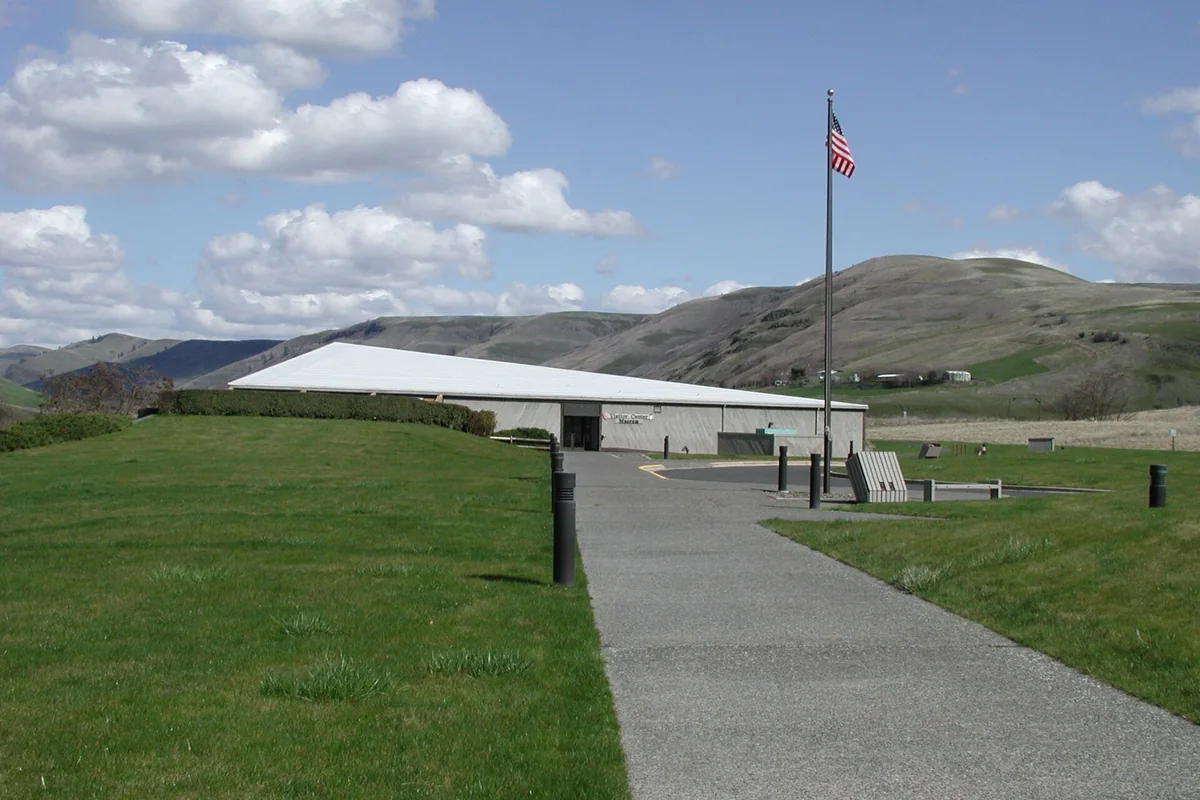
The visitor center is at 1428 Hunt Road, Jerome, Idaho. It contains museum exhibits, a park film, a bookstore, and visitor information. Its opening schedule is more limited than the grounds schedule, so use the official operating-hours page before choosing your arrival time. Do not assume that a weekday or winter visit includes indoor access.
If the building is closed, check the outside after-hours box for brochures and the passport stamp. NPS notes that restrooms are not available when the visitor center is closed. Plan bathroom stops and drinking water before leaving the surrounding towns, especially with young children or anyone who needs frequent facilities.
Walk the interpretive trail
The site offers 1.6 miles of gravel walking trails with outdoor exhibits. NPS suggests allowing up to two hours for all the trails, although a shorter visit around Block 22 is possible. Pick up the free brochure map at the entrance area or visitor center so that you can connect the separate features rather than wandering without context.
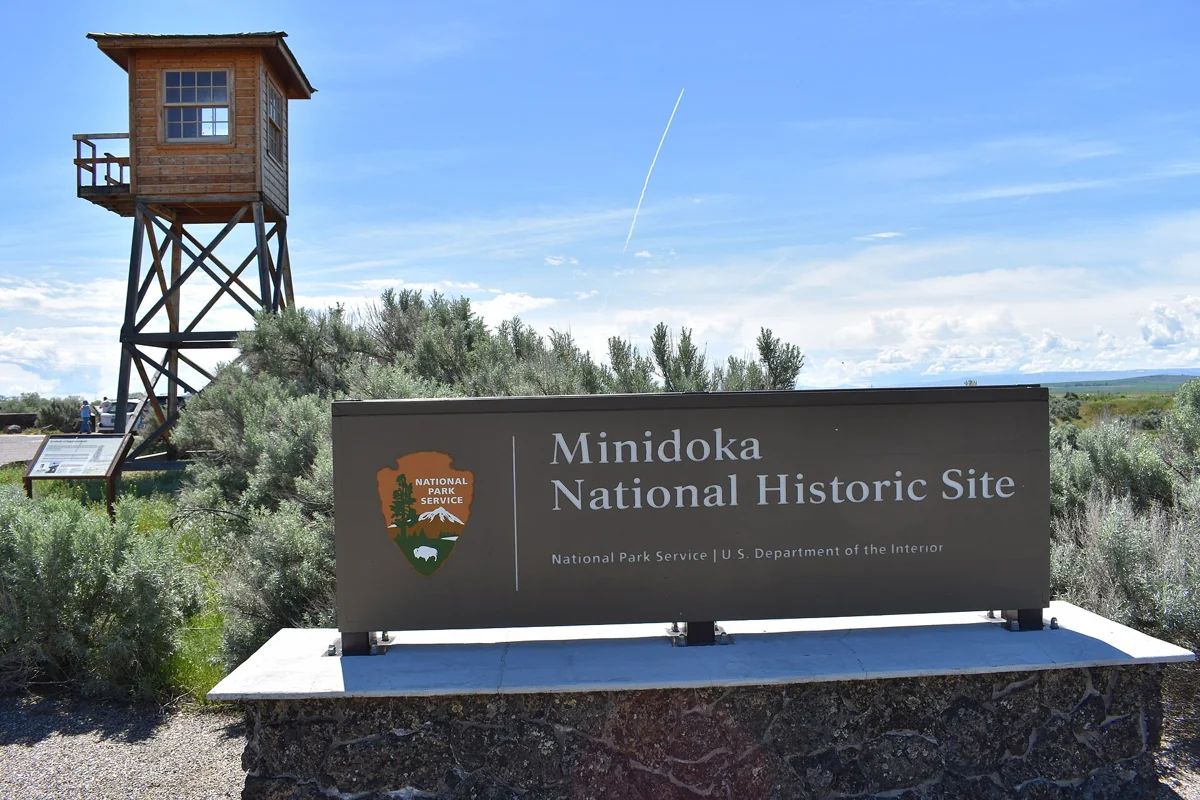
Points along the route include the entrance area and guard tower, Honor Roll, replica fence, fire station, root cellar, baseball field, and Block 22. Read the signs carefully to distinguish surviving historic fabric from reconstructed or interpretive features. The apparent emptiness of some areas is part of understanding how much of the original camp is no longer standing.
Historic building interiors are not generally open for independent exploration. NPS makes some interiors available through ranger-led tours. If a guided visit is important to you, check the current tour schedule before traveling; a visible building is not an invitation to enter it.
Weather, accessibility, and pets
Walking trails are open daily from sunrise to sunset. Winter trails are not maintained and may have snow or ice. In warmer months, expect sun, wind, and little shade. Carry water, a hat, sun protection, and a layer that suits the forecast. A morning walk can be a more comfortable planning choice than arriving during the hottest part of a summer afternoon.
Most of the trail is flat, but NPS identifies a moderate slope near Block 22 and loose gravel in places. Visitors using wheelchairs, walkers, or mobility scooters should assess those surfaces rather than assuming that a mostly level route is fully smooth. Motorized mobility scooters for people with disabilities are allowed.
Pets are not allowed on park trails or inside buildings; service animals may accompany visitors where visitors are allowed. This restriction makes advance planning essential on a summer road trip with a dog. Do not rely on leaving an animal in a parked vehicle while you walk an exposed trail.
Getting there without entering private property
Follow the NPS driving directions to the Hunt Road visitor center. The Jerome mailing address does not mean the park is in downtown Jerome. The entrance area and guard tower have a smaller parking area; continuing along Hunt Road brings you to the visitor center and its larger lot.
Some former camp buildings and features stand on surrounding private property. Park boundaries are not always obvious, and a navigation app may not explain that distinction. Stay on public routes and do not drive farm lanes or enter neighboring land to look for additional structures.
Build a thoughtful Magic Valley itinerary
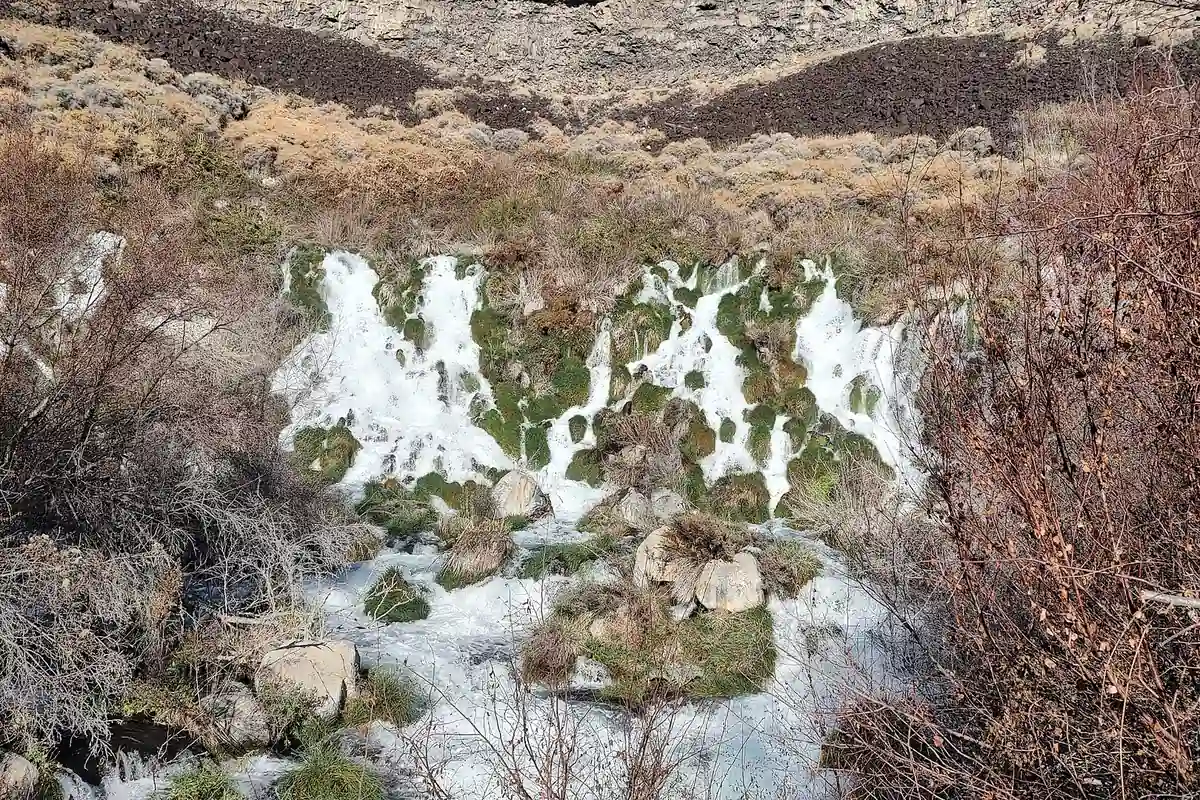
Use Jerome or Twin Falls for a practical regional base. Give Minidoka its own unhurried part of the day, then decide whether another stop still fits. For a separate history-and-science visit, consider Hagerman Fossil Beds; for a broader landscape outing, compare Thousand Springs State Park.
Our Idaho parks guide helps connect these different kinds of protected places. Minidoka’s value is not a long checklist of activities: it is the opportunity to understand what happened here, whose lives were changed, and why the site remains important.
Questions before you go
Can you visit Minidoka when the visitor center is closed?
Yes. The grounds and walking trails are open sunrise to sunset, but indoor exhibits and restrooms are unavailable when the visitor center is closed.
How long should you allow?
NPS suggests up to two hours to walk all the trails. Allow additional time for indoor exhibits or a ranger-led tour when available.