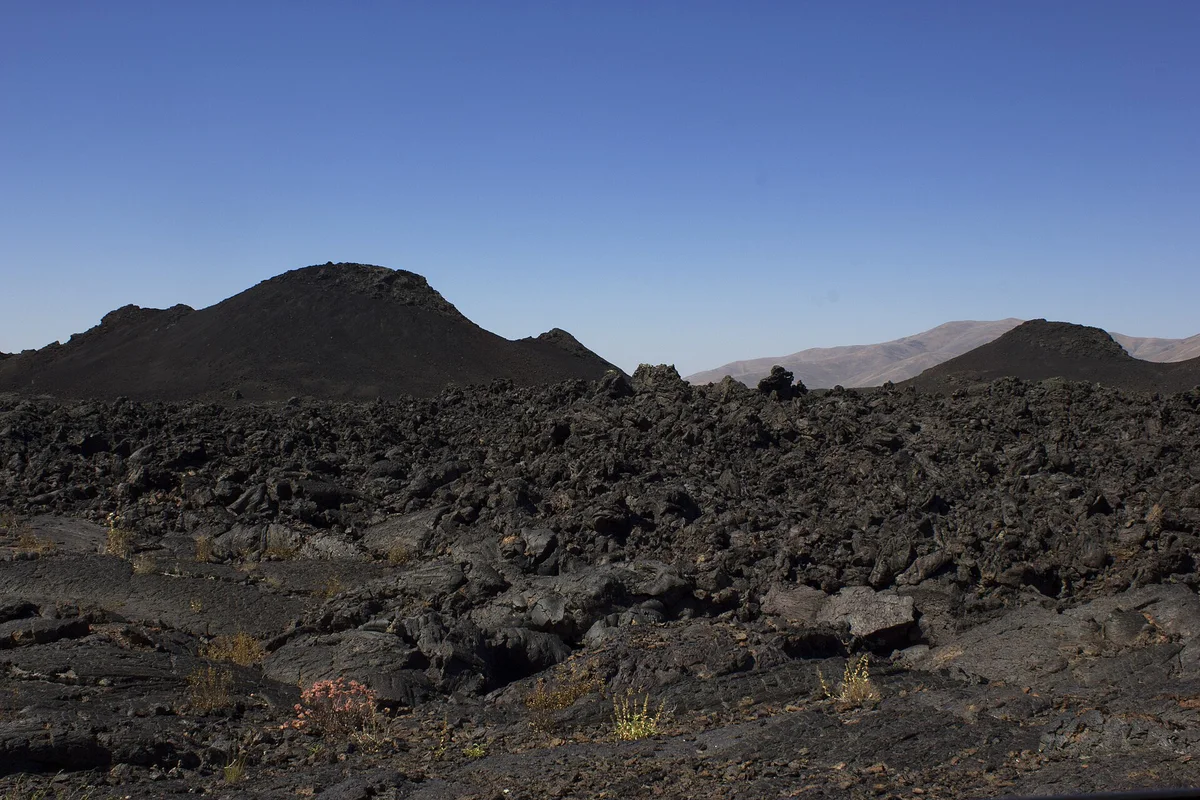
Craters of the Moon National Monument is Idaho's most accessible introduction to a volcanic landscape: black lava flows, cinder cones, and lava tubes reached from a paved scenic road. Start at the Robert Limbert Visitor Center, choose a few short walks, and obtain a cave permit before attempting any open lava tube. The familiar sightseeing area is off U.S. Highway 20/26/93, not down a remote dirt-road shortcut.
Most visitors can get a useful introduction in two to four hours, according to the National Park Service. A full day gives you more room for longer walks and breaks from the heat. Use our Idaho parks guide to compare this volcanic stop with other public lands, rather than expecting a forested mountain park.
Where is the entrance, and how do you get there?
The NPS entrance is 18 miles southwest of Arco and 24 miles northeast of Carey. For navigation, enter Robert Limbert Visitor Center, 1266 Craters Loop Road, Arco, Idaho. NPS specifically warns that a general search for the monument can direct travelers onto unpaved roads in undeveloped portions of the wider protected landscape. The visitor center and sightseeing loop are reached on pavement.
The map location on this guide marks the NPS entrance, using the coordinates published on the park's directions page. It is a practical arrival point, not the center of the enormous lava landscape. If your navigation route leaves the highway for a remote dirt road before the signed entrance, stop and check it against NPS directions.
Fill the fuel tank and organize food before starting the park portion of your day. If the monument is part of a wider road trip, Idaho Falls is one possible eastern city base. Do not use straight-line map distance to judge how easily this stop fits with destinations across the mountains.
How should you explore the Loop Road?
The seven-mile Loop Road is the backbone of a first visit. It connects the main volcanic stops, with spur roads serving additional trailheads. NPS also describes the complete scenic drive from the visitor area as roughly nine miles round trip; the different figures refer to different portions of the drive, not competing trail measurements. Allow substantially more than driving time if you want to understand what you are seeing.
Stop at the visitor center first for exhibits, a park map, and current information. Decide which walks matter most before setting out. A family interested in short surface trails needs a different plan from a group carrying lights and seeking cave permits. Avoid scheduling every stop so tightly that you cannot change course for wind, heat, or a closure.
- North Crater Flow: look for contrasting lava textures and large transported fragments along the short interpretive route.
- Devils Orchard: choose this stop for an easier walk among scattered lava fragments and vegetation. NPS identifies the half-mile route as wheelchair-accessible.
- Inferno Cone: the uphill walk trades gentle strolling for a broad view of the volcanic terrain. Check wind and footing before climbing.
- Spatter Cones: inspect compact volcanic features from the designated paths rather than climbing fragile edges.
- Tree Molds: add this separate trail when you have time and energy to look for evidence of trees overtaken by lava.
Read trailhead signs for each route's distance and configuration. The park brochure lists some trail lengths one-way, so copying a number into a round-trip itinerary can underestimate the walking. Choose fewer trails and give each one attention instead of collecting parking-lot stops without time outside.
What do you need to visit the lava tube caves?
A free cave permit is required before entering the park's lava tubes. Obtain it in person at the visitor center during business hours; the park's current FAQ says all adults in the group must be present. An entrance pass does not replace this permit. Check the official permit information when organizing your arrival.
The permit process protects bats from white-nose syndrome. Clothing and equipment that have previously been underground in another cave, mine, or lava tube cannot go into these caves, even after washing. That restriction includes easily overlooked items such as shoes, cameras, phones, and watches. Discuss it with everyone in the group before packing, not at the cave entrance.
NPS identifies Indian Tunnel and Dewdrop Cave as the seasonally available caves, conditions permitting. Do not interpret a permit as permission to enter every opening you see: other caves are closed, and temporary closures can affect the usual options. Confirm the day's open caves with staff and follow the posted barriers.
These are undeveloped spaces with uneven rock, limited light, low ceilings, and potentially slippery or icy footing. Each person should carry a dependable light and wear sturdy closed-toe footwear. A cave visit is optional; the surface trails explain the volcanic landscape without requiring anyone to enter a confined or rough underground space.
When is the best time to visit?
Summer generally provides the broadest access, but exposed black lava absorbs heat and offers little shade. Put walking earlier in the day when practical, and leave space for rest and water. Spring can bring wildflowers and a changing mix of road and trail access. Fall can be a comfortable walking season, but neither season guarantees that the road or caves will be open.
NPS says the Loop Road typically closes to vehicles from mid-November through mid-April because of snow. Treat those as general seasonal markers, not opening-day promises. Winter changes the outing into a snowshoeing or cross-country skiing visit where conditions allow. Check current conditions rather than arriving with a summer driving itinerary.
Wind is another important planning factor. A sunny forecast does not necessarily mean comfortable conditions on an exposed cone, and thunderstorms make high, open ground a poor place to linger. Carry layers as well as sun protection, and shorten the plan if weather makes the next stop unsafe.
Water, pets, and practical safety
Fill bottles before leaving the visitor center. NPS warns that there is no running water along the Loop Drive, and lava-country walking can feel more demanding than the mileage suggests. Bring a hat, sunscreen, food, and shoes with a reliable sole. Sharp, abrasive rock makes an ordinary stumble more consequential than it would be on a grassy path.
Pets are not permitted on park trails, in buildings, or in caves, including when carried. Leashed pets are allowed where vehicles can go, including roads, parking areas, and the Lava Flow Campground. This makes the park difficult to explore thoroughly with a pet unless your group has a safe care arrangement. Never rely on leaving an animal in a parked vehicle while everyone hikes.
Stay on designated routes, obey closure signs, and leave volcanic material where it lies. Cell coverage is limited, so save a map before arriving. Backcountry travel is a separate undertaking: the easy access of the scenic loop should not be mistaken for easy travel across roadless lava.
Camping and a realistic road-trip pairing
Lava Flow Campground operates first come, first served rather than by advance reservation. Check its current status and facilities through NPS before depending on a campsite. Wilderness overnight trips require a backcountry permit and a substantially different water and navigation plan from campground-based sightseeing.
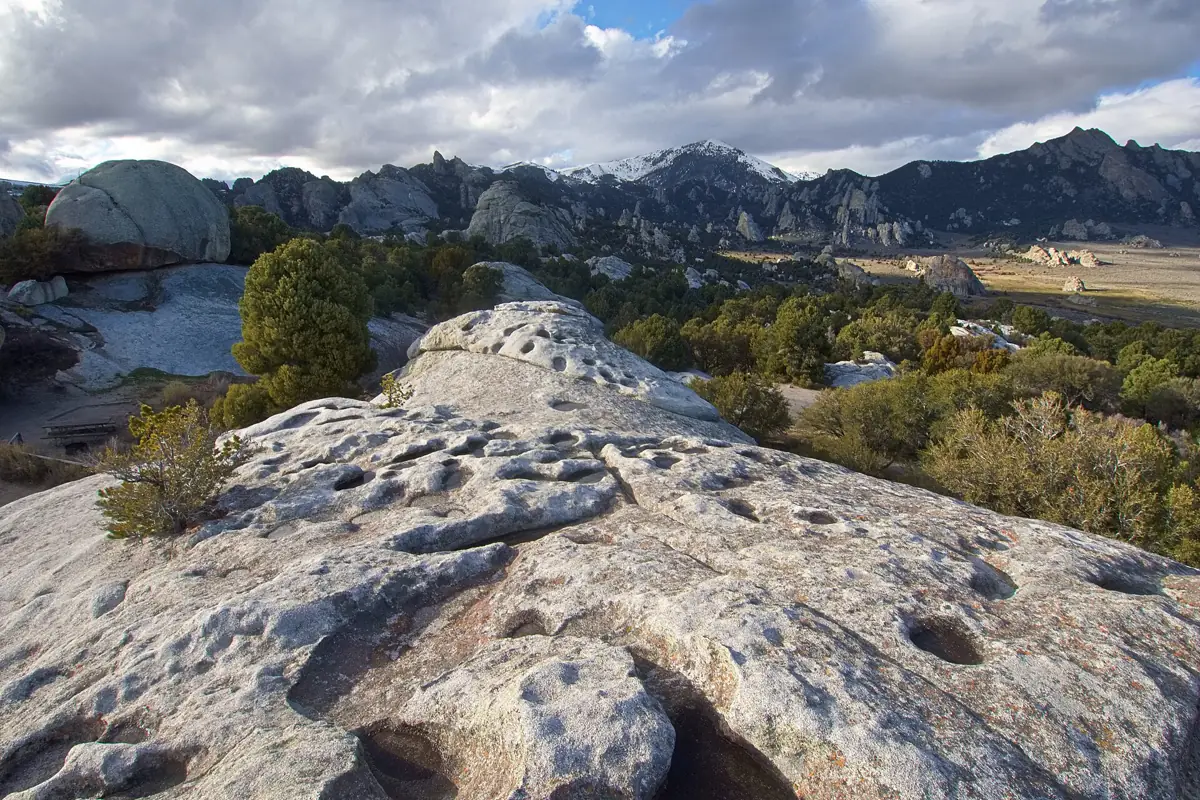
For a geology-focused Idaho trip, pair this guide with Hagerman Fossil Beds, where ancient environments are interpreted through fossils rather than recent lava forms. City of Rocks offers another contrasting rock landscape. These are separate road-trip stops, not adjacent units of one park, so allow driving and overnight time between them.
For a short visit, keep the plan simple: visitor center, a few Loop Road stops, and one or two walks. For a longer visit, add a permitted cave only if it is open and everyone has suitable gear. Leaving a trail for another trip is better than rushing onto hot lava or into a cave after your group is already tired.
Questions before you go
How long should you spend at Craters of the Moon?
NPS says most visitors spend two to four hours. Allow longer for multiple hikes, a permitted cave visit, or a slower pace in hot weather.
Do you need a permit for the caves?
Yes. A free in-person cave permit is required, and caves open only when conditions allow. Obtain current instructions at the visitor center.