Idaho state parks offer lake camping, forest trails, desert scenery and historic sites, but the official system is broader than properties named “State Park.” Idaho Parks and Recreation says it manages 30 state parks, trails and attractions. Use that agency-wide count as a system description, then choose a destination from the current official directory.
This distinction helps avoid two common mistakes: counting only places with “State Park” in the name, or treating every listed attraction as a conventional campground. A rail trail, historic mission and lakeside camping park can all belong in the same planning system while offering very different visits.
How many Idaho state parks are there?
The department’s current About page gives the number as 30 parks, trails and attractions. Its live directory includes units such as the Ashton to Tetonia Trail, Coeur d’Alene Parkway, Trail of the Coeur d’Alenes and City of Rocks National Reserve. Check that directory for the current roster rather than assuming the headline count means 30 identical park types.
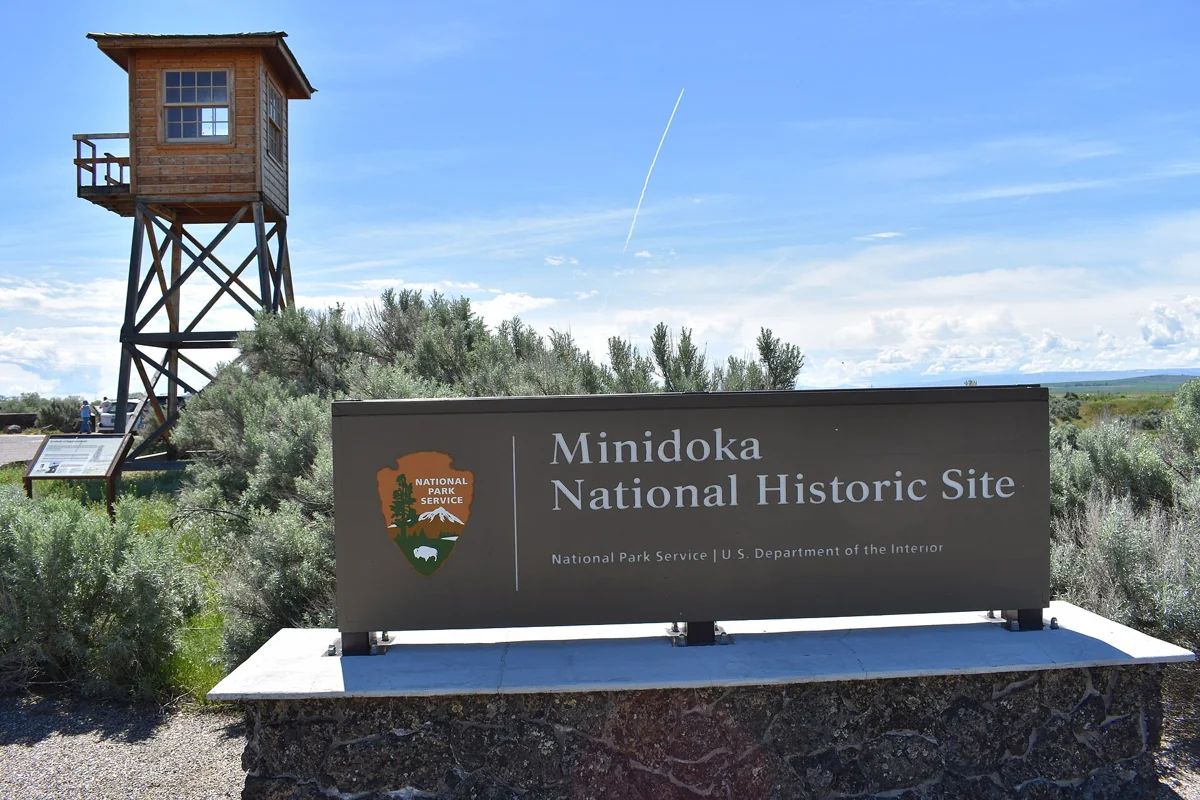
For example, City of Rocks National Reserve has a different designation from a state park, even though it appears in Idaho’s recreation directory. Our broader Idaho parks guide also includes federal destinations, which should not be added to the state-system total.
North Idaho: lakes, forests and a long paved trail
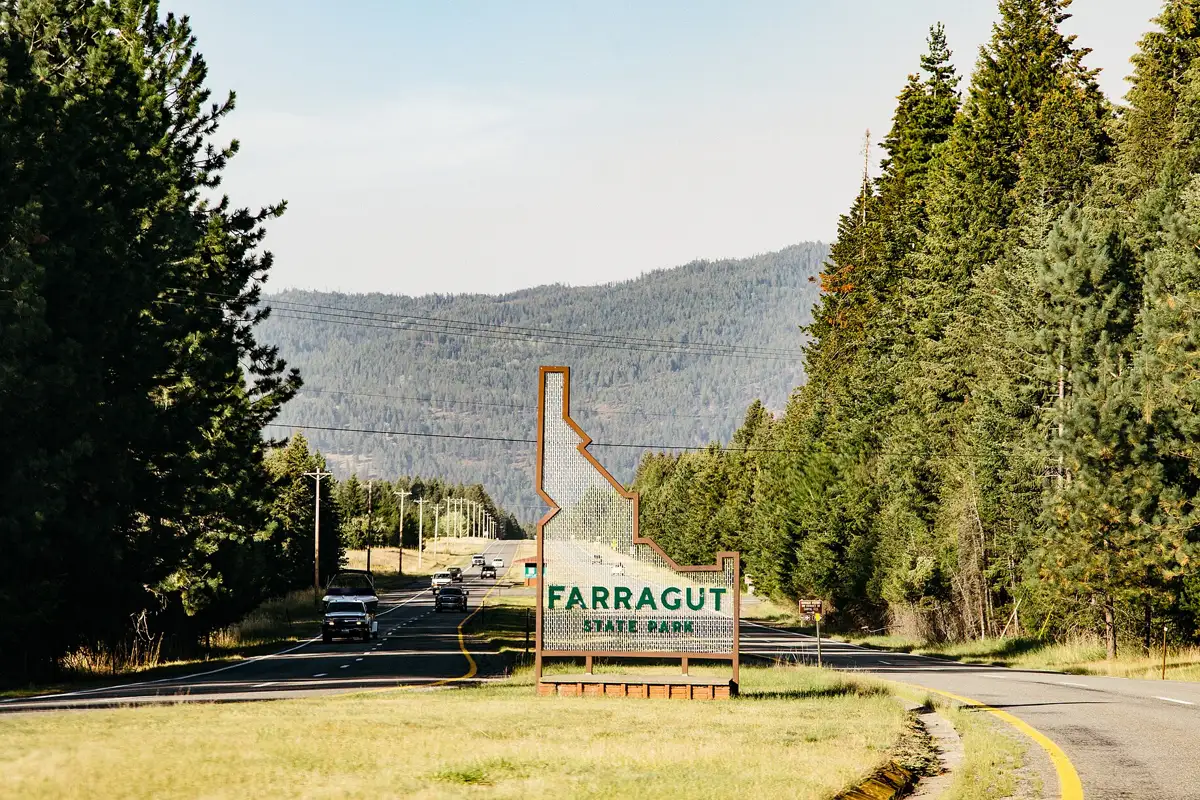
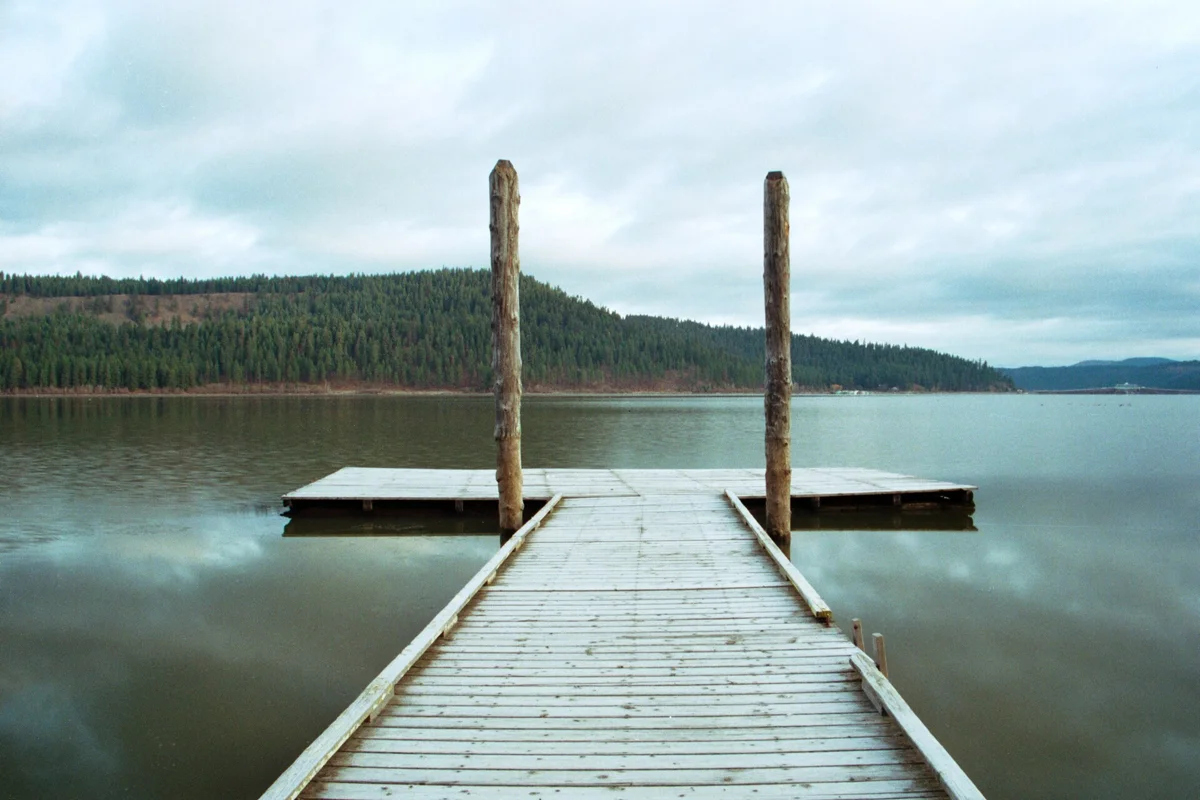
For a camping-and-lake trip, start by comparing Farragut State Park, Heyburn State Park and Priest Lake State Park. They occupy different parts of North Idaho; choose the lake and access area first, then compare available accommodation.
The official northern roster also includes Round Lake, Dworshak, Hells Gate, McCroskey and Winchester Lake. Coeur d’Alene’s Old Mission adds a history-focused option. Coeur d’Alene Parkway and the Trail of the Coeur d’Alenes are trail-oriented choices rather than substitutes for a campground reservation.
A realistic northern itinerary uses one base for several outings instead of shifting camp every night. If your priority is cycling, read the Trail of the Coeur d’Alenes guide before picking accommodation. If it is paddling, choose a launch and the particular water body you want to explore before booking.
Southwest and central Idaho: reservoir days and mountain bases
The department’s directory groups Eagle Island, Lucky Peak, Lake Cascade, Ponderosa, Bruneau Dunes, Thousand Springs and Three Island Crossing within its southern planning choices. That is an administrative grouping, not a suggestion that these parks all fit one short day trip.
For a mountain-lake stay, compare Ponderosa State Park and Lake Cascade State Park. Then check the actual campground or day-use area serving your activity. A park with multiple units can require more precise planning than one entrance pin implies.
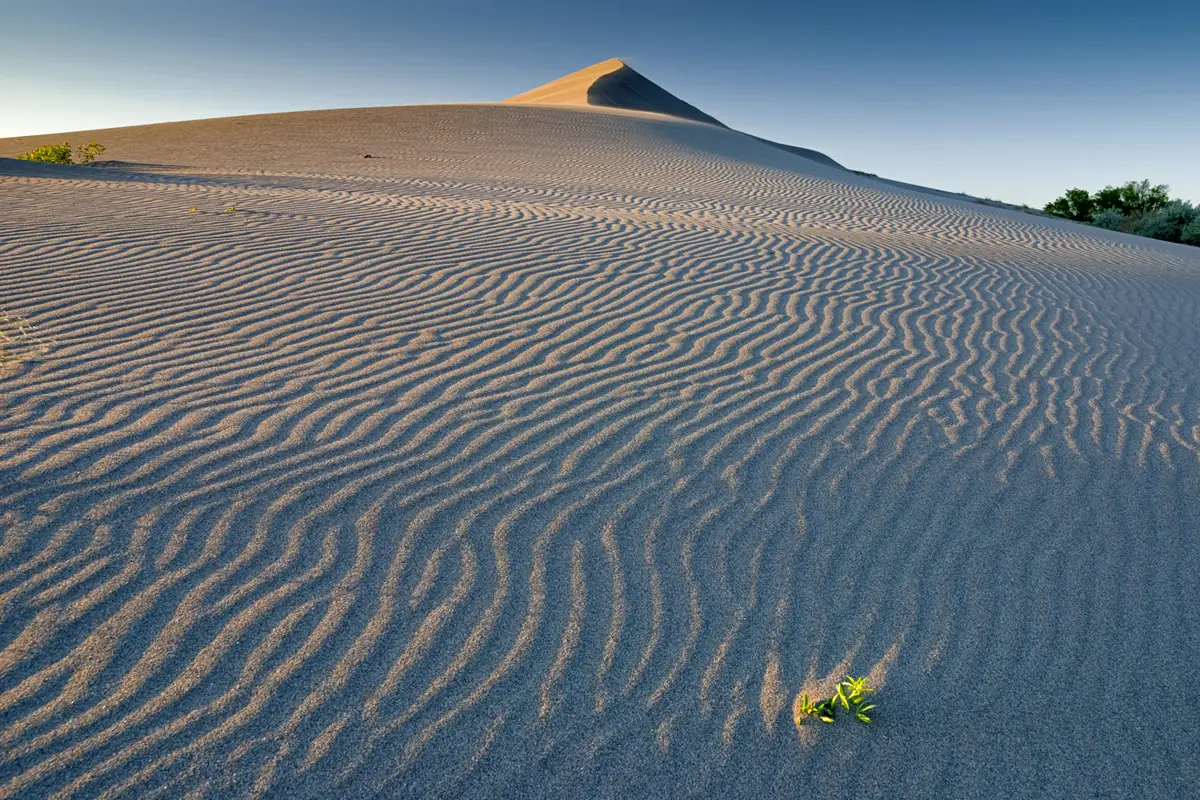
For a different landscape, consider Bruneau Dunes State Park or Thousand Springs State Park. Desert heat, exposure and the layout of individual units deserve attention. Match the time of day and the outing to conditions instead of assuming a scenic stop requires no preparation.
Eastern and south-central choices
The official directory includes Bear Lake, Castle Rocks, Harriman, Henrys Lake, Lake Walcott and Massacre Rocks, along with City of Rocks National Reserve. The Ashton to Tetonia Trail provides another kind of outing, while Land of the Yankee Fork and Twin Peaks Ranch appear in the central mountain part of the roster.
Use Harriman State Park as a starting point when comparing eastern Idaho park visits. Bear Lake and Henrys Lake have different settings and trip logistics; do not book based only on the word “lake.” For a rock-focused trip, read the separate City of Rocks guide and confirm which facilities belong to Castle Rocks versus the reserve.
Choose a park by the activity you want to repeat
| Trip priority | What to compare |
|---|---|
| Camping | Individual site type, hookups, vehicle fit and facility season |
| Lake recreation | Launch or swimming access, wind exposure and watercraft rules |
| Hiking | Trailhead, route map, surface and current closures |
| History | Visitor-center or museum schedule, not just park access |
| Cycling | Permitted route, access parking and a realistic turnaround |
Use this comparison before looking for a “best” park. A highly scenic property can still be the wrong choice if the campground cannot fit your vehicle or the museum is closed on your travel day. Checking those constraints early saves a second round of trip planning later.
Reservations, entry fees and seasonal services
Use the department’s official reservation and policy pages for current booking rules and prices. Camping charges and motor-vehicle entry charges are separate planning questions, and residency or accommodation type can affect what applies. This guide deliberately avoids quoting a universal daily rate that could be wrong for your situation.
Before booking, confirm the named campground, arrival date, equipment limits and cancellation terms. Before driving, check park alerts, road conditions, fire restrictions and operating facilities. A park can be accessible while a launch, drinking-water system or visitor building is not in service.
Finally, keep pets and accessibility needs specific to the place you are visiting. Read the current rules for the actual beach, trail or overnight unit. Plan from the official park directory, use our individual guides for context, and leave room to change activities when weather or conditions shift.
Questions before you go
How many Idaho state parks are there?
Idaho Parks and Recreation describes its system as 30 state parks, trails and attractions. That total includes different kinds of units, not only properties named State Park.
Are national parks included in the Idaho state parks count?
Do not add Idaho’s federal park destinations to the department’s 30-site system total. Check each destination’s official designation and managing agency.