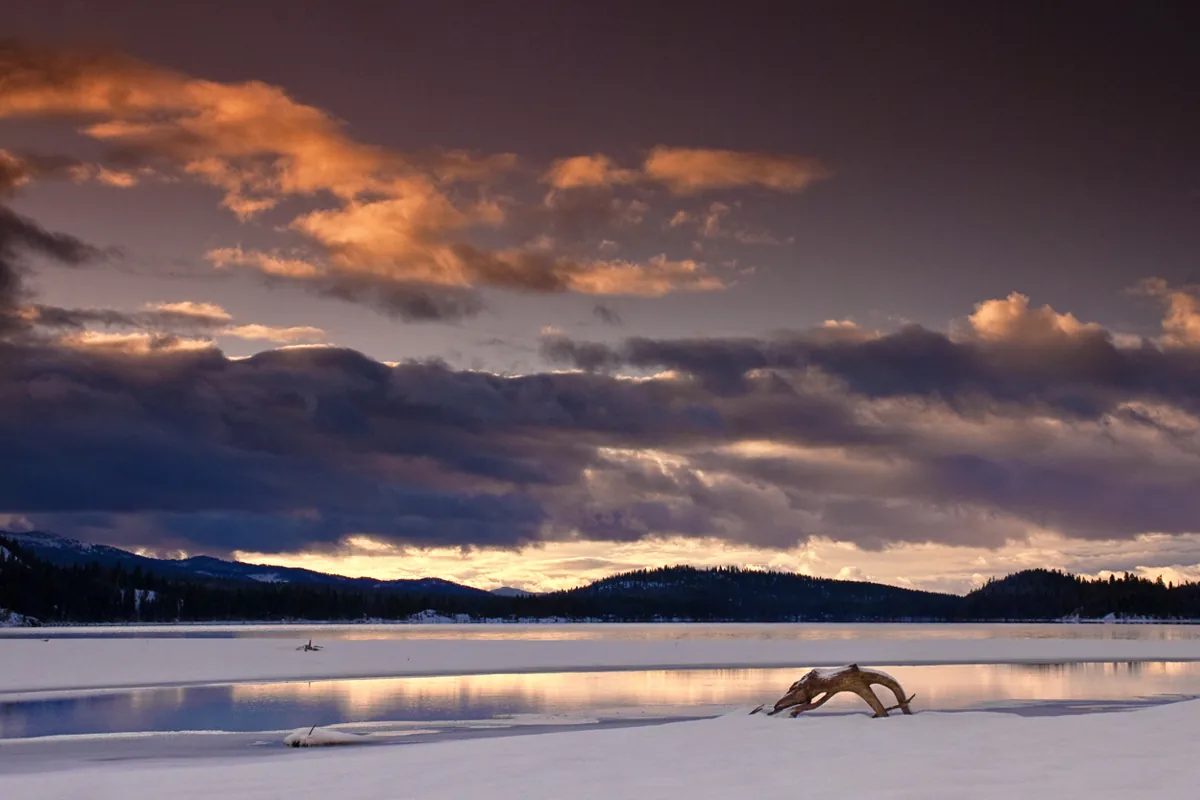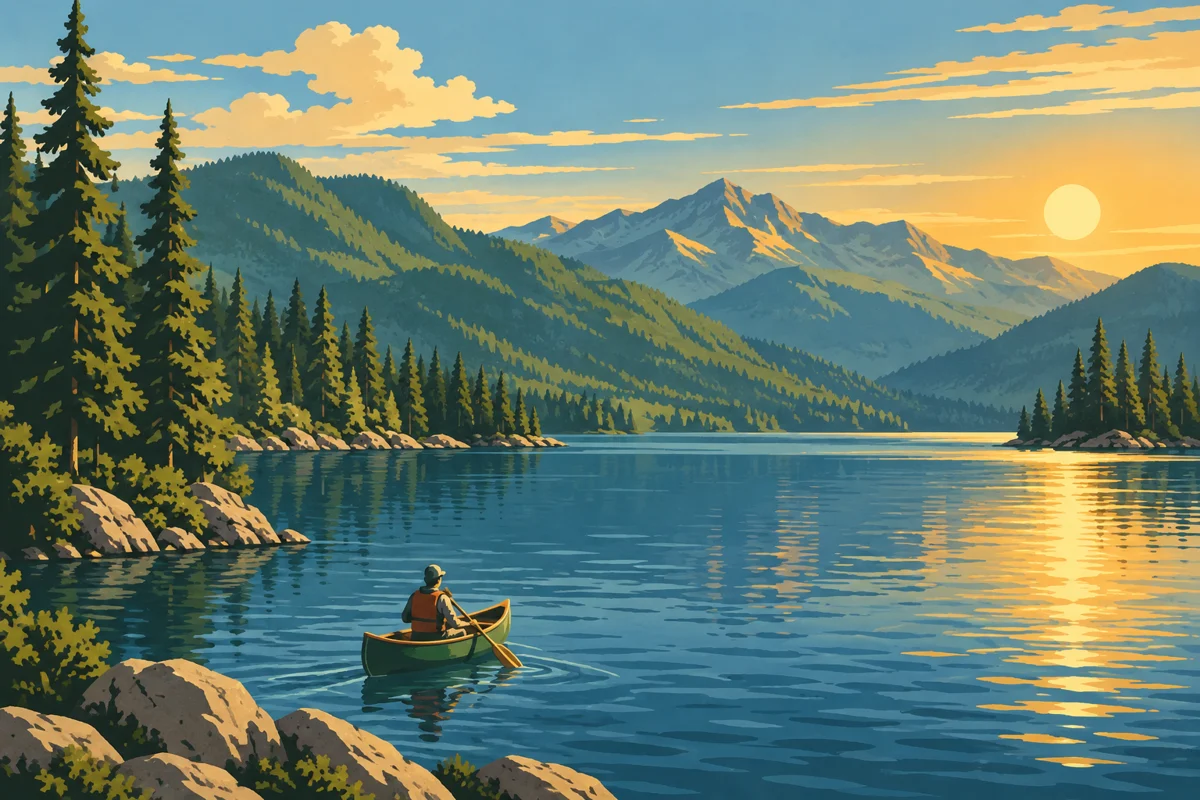
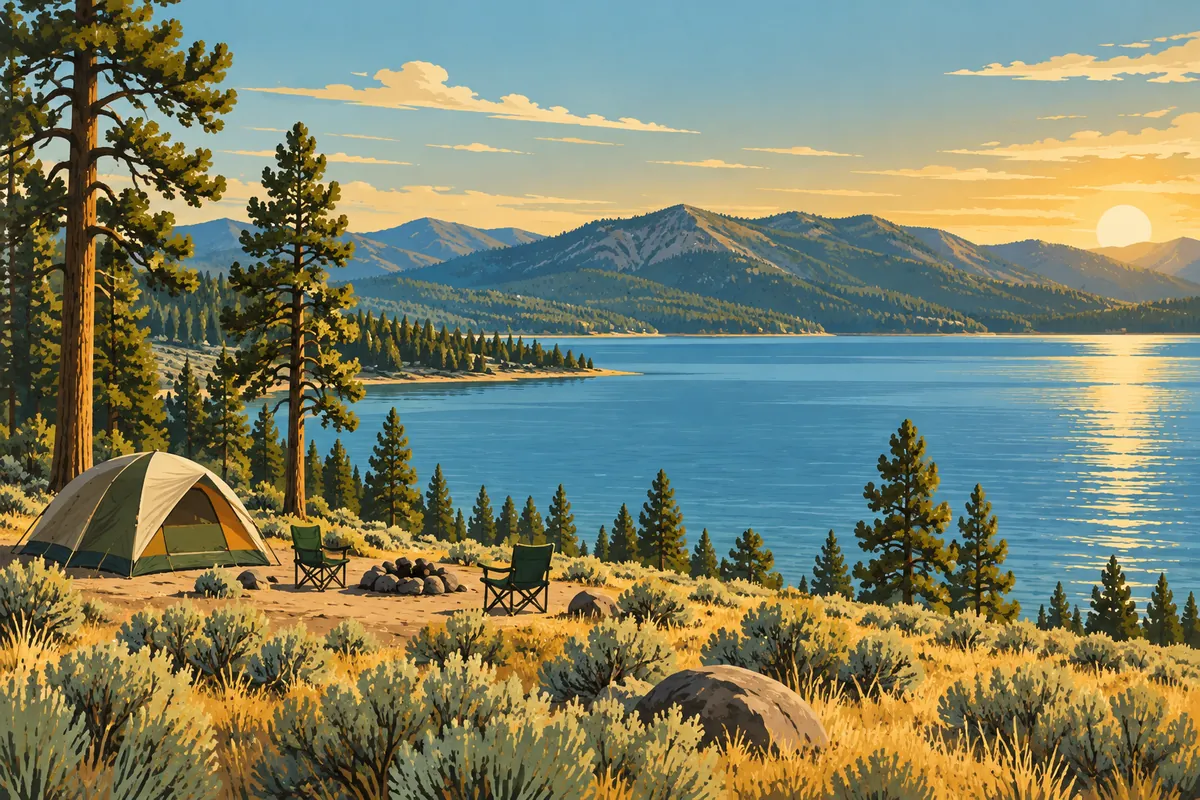
Lake Cascade State Park spreads recreation areas around a reservoir near Cascade and Donnelly in central Idaho. It works well for camping, boating, fishing, and an uncomplicated lakeshore afternoon, but choosing the right unit matters. A reservation at one campground does not put you beside every beach or launch on the lake.
Use the Idaho parks hub for the statewide picture, then plan this visit around an actual campground or day-use area. The park's official unit maps are more useful for that decision than a generic pin labeled Lake Cascade.
Understand the park's separate units
Idaho State Parks describes developed campgrounds, primitive camping areas, day-use sites, and six boat launch ramps. The units sit on different stretches of shoreline. Start with the official Lake Cascade page and its maps to see where your preferred activity meets the road network.
For a Cascade-based visit, the southern-units map identifies places including Van Wyck, Ridgeview, Blue Heron, Big Sage, and Crown Point. The broader park map also shows Sugarloaf on the eastern shore and several units along West Mountain Road. Do not navigate to park headquarters and assume your campsite will be beside it.
Make your first choice about location, then compare individual sites. A beautiful photograph does not tell you whether a spot suits a trailer, provides the services you need, or requires a drive to the launch you intend to use.
Choosing a campground
The park offers a spectrum from primitive camping to serviced sites. Its overview specifically identifies power, sewer, and water at Poison Creek and Ridgeview. That does not mean every site in every unit has hookups. Read the exact site's reservation details and campground map before paying.
For RVs, compare the published parking-spur dimensions with your full setup, including a tow vehicle where applicable. For tents, look at the pad, shade, nearby facilities, and how much equipment you will carry from the vehicle. Groups should investigate designated group facilities rather than assuming several separate campsites can operate as one large gathering area.
Reservation guidance needs particular care. The park's current bulletin says all campgrounds except Van Wyck and Blue Heron require reservations, while a general paragraph on the same page also names Curlew as an exception. Because those statements conflict, do not count on an unreserved arrival at Curlew. Confirm its current status directly with park staff. Check the bulletin and booking system for every unit.
Boating and paddling
The official page lists ramps at Blue Heron, Van Wyck, Sugarloaf, Boulder Creek, Buttercup, and Poison Creek. Pick a launch in relation to both your campsite and intended outing. A ramp symbol on a map is not a promise that handling docks, water depth, or seasonal facilities will suit your boat on the day you arrive.
The park notes that afternoon winds attract windsurfers and sailors. For paddlers, that is also a reason to pay attention to the forecast and turn around before conditions exceed your ability. Wear a properly fitted life jacket, avoid interfering with launching traffic, and choose a conservative route rather than treating a broad reservoir as a sheltered pond.
Keep swimming separate from ramp activity. The official Van Wyck map marks a swim beach as well as the launch and dock area, with restrictions posted at the docks. Follow the signs at the specific unit instead of assuming the entire waterfront has one use.
Seasonal services and camping expectations
The park is open year-round, but its services are not uniform through the seasons. Idaho State Parks warns that water and sewer availability depends on temperatures and may be unavailable between October 1 and Memorial Day, even for a site described as serviced. Check the latest bulletin rather than packing as though hookups are guaranteed.
The fall 2026 notice reports water shutoffs and handling-dock removal. Those are dated conditions, not a prediction for next summer. They illustrate why a reservation confirmation alone is not enough: review service notices shortly before departure and carry what you need for the conditions then.
The park also asks visitors to pack waste out. Bring trash bags and plan disposal before you reach camp. Verify current fire restrictions, pet requirements, and day-use charges with the park; a previous visit or another Idaho campground's rules may not apply here.
A simple day at the lake
For a first visit, choose one southern day-use unit, bring a picnic, and leave room for a shoreline stop rather than driving the full lake looking for a perfect beach. If boating is central to the trip, make launch conditions your first check. If camping is central, secure the campsite first and fit the water activities around it.
Use our Cascade summer guide for a town-based alternative when wind or weather changes the water plan. The Cascade lodging guide compares the questions to ask about private RV stays and indoor lodging.
Other parks to compare
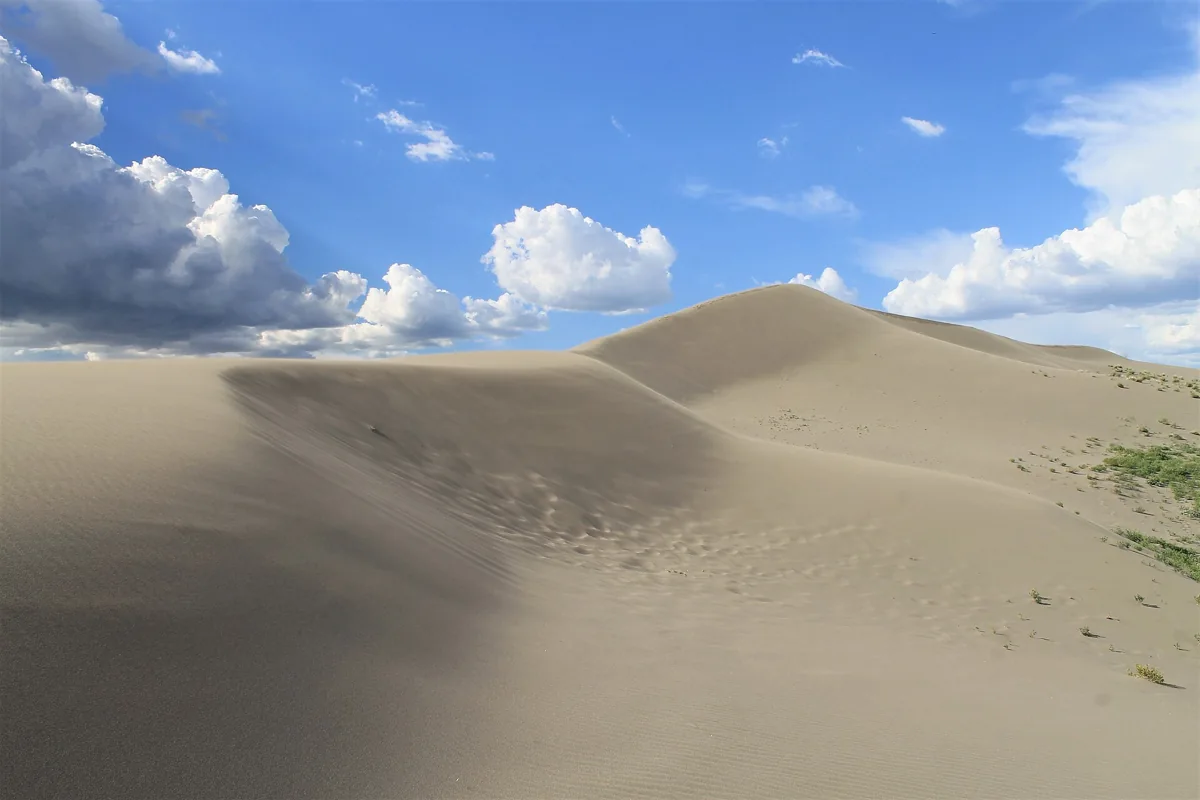
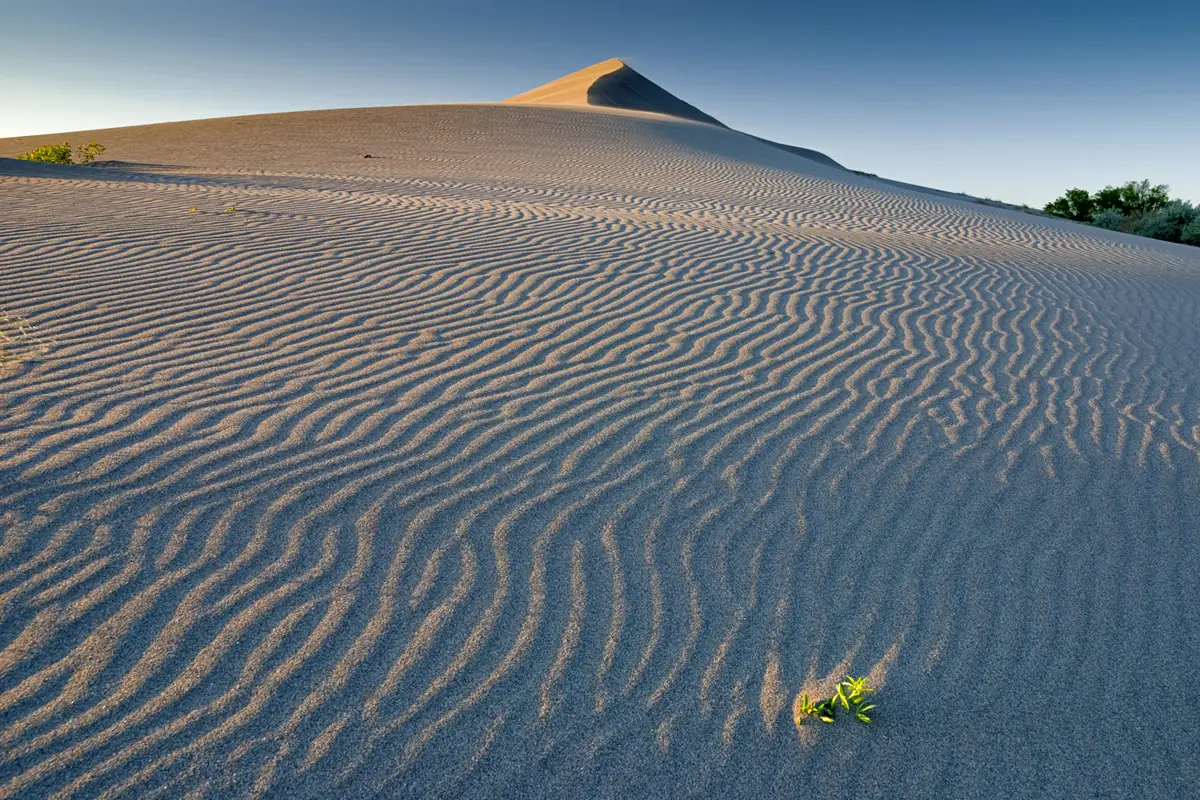
Ponderosa State Park provides a different lakeside setting on Payette Lake near McCall. Farther south, Bruneau Dunes State Park suits a trip built around dunes rather than a mountain reservoir. These are alternatives for different itineraries, not stops to force into the same afternoon. Lake Cascade rewards a simpler plan built around one well-chosen stretch of shore.
Questions before you go
Is Lake Cascade State Park one campground?
No. The park includes multiple campgrounds and day-use areas around Lake Cascade. Choose a named unit and check its map before booking or driving.
Are Lake Cascade campsites fully serviced?
Some are serviced, but amenities vary by site and season. The park identifies hookups at Poison Creek and Ridgeview and warns that water and sewer availability is temperature dependent.
Can you camp without a reservation?
The current park bulletin identifies Van Wyck and Blue Heron as exceptions to its reservation requirement. Official text conflicts about Curlew, so confirm that unit directly rather than assuming walk-up access.