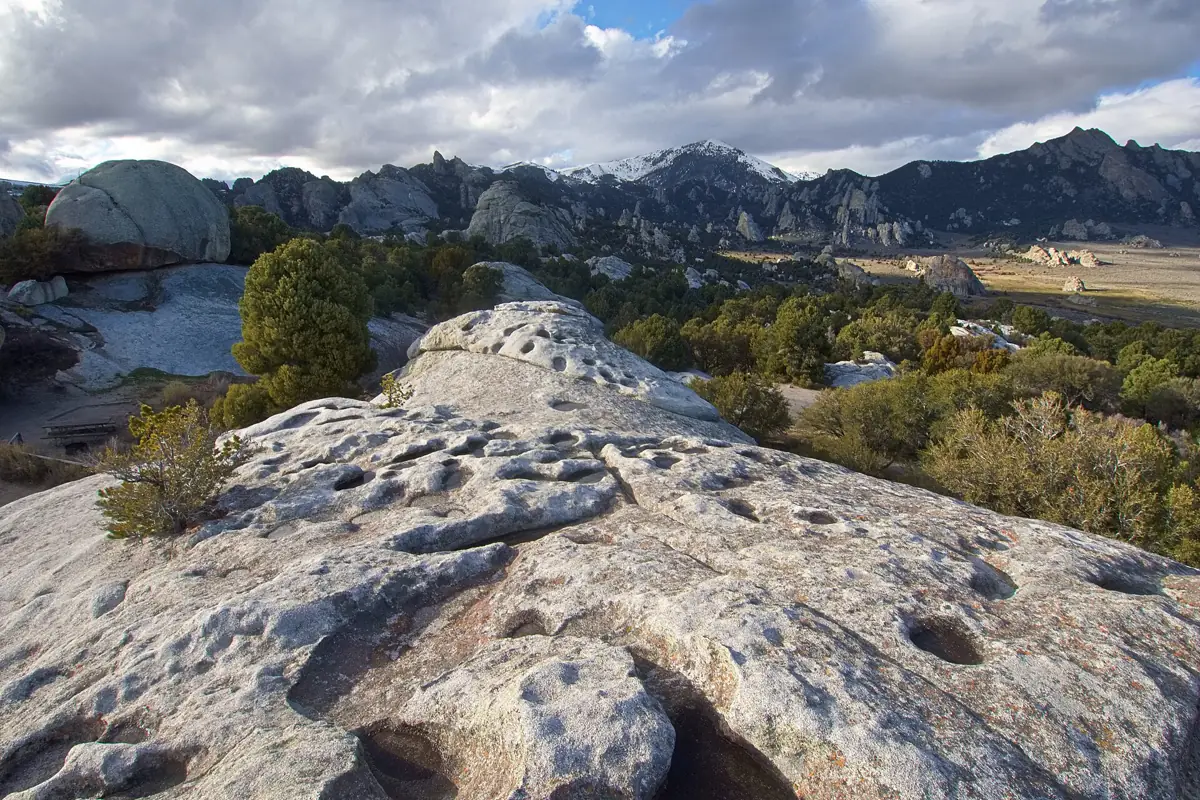
City of Rocks National Reserve is a landscape of granite spires, historic California Trail sites and walking routes near Almo in southern Idaho. You do not need to be a climber to enjoy it: a drive with short walks can fill a rewarding half day, while hiking, climbing or camping gives you a reason to stay longer. Start at the visitor center in Almo to match your route to current road and trail conditions.
The reserve belongs on a trip through Idaho's parks and public lands, but it is not an urban attraction despite the name. Expect a rural outing with gravel roads and limited nearby services. Bring what you need for the day rather than assuming there will be a shop at each scenic stop.
Begin in Almo, not at a random map pin
The National Park Service places the visitor center at 3035 Elba-Almo Road in Almo. The reserve entrance is southwest of the visitor center on East City of Rocks Loop Road. Those are different destinations, so enter the appropriate one into your navigation rather than relying on a generic search result for the whole reserve.
At the visitor center, ask about road conditions, suitable walks and any closures affecting climbing or historic areas. Pick up a map before losing yourself among the formations. The official trip-planning page also warns that when local businesses are closed, alternative services can be far away. Arrive with fuel, drinking water and food already covered.
What to see if you are not climbing
A first visit can combine the gravel-road scenery with a few short interpretive walks. The NPS describes auto touring as a way to see the formations and follow the approximate California Trail corridor. Use designated parking and pullouts, then explore on foot where permitted. Do not stop in a road simply because the next bend has a good composition for a photograph.
Camp Rock is a particularly useful history stop. The NPS documents emigrant inscriptions made with axle grease and a short trail around the rock. Observe the signatures without touching, tracing or adding to them. Read the interpretation as evidence of a specific migration route, not as permission to repeat the practice on another boulder.
Give yourself time to look beyond the most recognizable shapes. Changes in light reveal different textures in the granite, and the spaces between the rocks are part of the experience. A nonclimbing visit does not need to become a scramble to a summit; roadside views and signed walks can be the main event.
Pick a hike using the current trail map
The reserve's trails lead to overlooks, arches and rock windows. The NPS groups outings by difficulty and advises checking individual descriptions instead of assuming every short route is gentle. Surface, slope and exposure matter as much as mileage. Choose a turnaround that leaves enough energy and daylight to get back comfortably.
Use the official hiking information to identify a route appropriate to your group. Some trails are foot-only and others allow additional nonmotorized uses, so read the signs at each junction. If your Idaho trip includes a larger walking itinerary, our hiking hub helps compare destinations without confusing them with current reserve conditions.
Dogs are permitted on trails and in campsites under the NPS's posted rules, including a leash no longer than six feet and cleaning up after them. Carry water for your animal as well as yourself. Do not assume a shaded place or a convenient water source will appear when you need it.
Climbing requires a separate plan
The NPS lists more than 600 established climbing routes at City of Rocks, with both traditional and sport climbing. That variety does not make an unfamiliar route safe for a beginner. Bring the appropriate skills, equipment and route information; watching climbers from the ground is a perfectly good alternative.
Check the official climbing guidance for seasonal raptor closures and restricted areas. The NPS distinguishes climbing established routes from placing permanent anchors, which requires a permit. Historic California Trail areas and private land may have additional restrictions. A route described in an old guidebook is not proof that access is currently allowed.
Camping and the Castle Rocks distinction
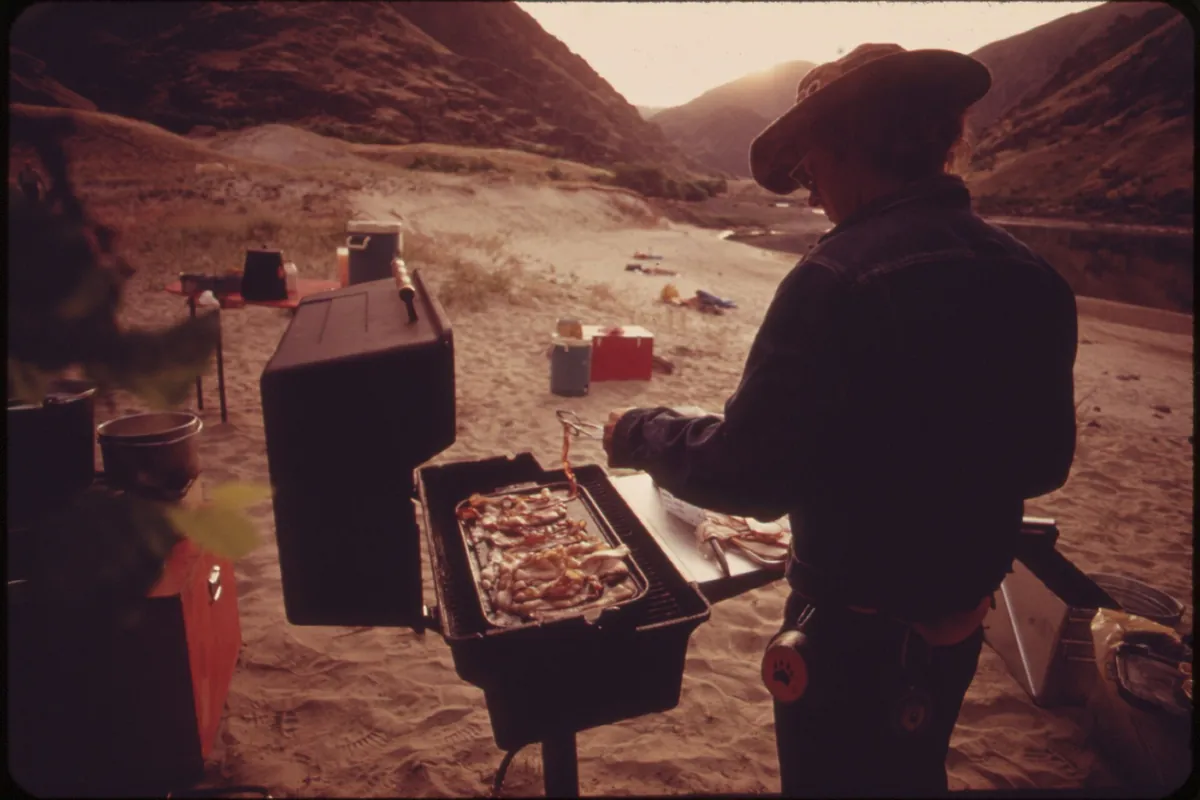
City of Rocks campsites require reservations year-round; the NPS states that walk-ins are not permitted. Same-day reservations may be possible when space is available, but that is not the same as arriving and claiming an empty-looking site. Follow the reservation link on the official camping page and check the site's dimensions and facilities before booking.
Nearby Castle Rocks State Park is a separate unit with additional recreation and overnight options, including Smoky Mountain Campground. Compare the actual campground name and location before confirming a reservation. The NPS identifies seasonal drinking water at Bath Rock in the reserve, so bring your own supply rather than relying on a tap being available in every season.
For travelers comparing camping stops across the state, our Idaho camping guide provides broader context. For this visit, however, the reserve's reservation system and current notices should make the final decision, not a general list of favorite campgrounds.
Accessibility, weather and what to check first
Many formations can be appreciated from roads and nearby interpretive exhibits, but unpaved trails and historically developed campsites can create mobility challenges. The NPS recommends discussing individual needs with the visitor center. Consult its accessibility information before assuming that a short trail, a vault toilet or a campsite meets your requirements.
Before departure, check NPS alerts and conditions, the weather and your route. Do not assume that a road shown on a map is suitable for your vehicle in current conditions. Carry layers, sun protection and more water than a quick scenic drive initially seems to require.
Winter needs a different access plan: the NPS warns that drifting snow can make roads impassable and that Emery Pass usually remains impassable through winter. In summer, afternoon thunderstorms can interrupt exposed outings. Neither a dry-weather driving plan nor a climbing itinerary should be treated as fixed when the forecast changes.
Fit City of Rocks into a southern Idaho route
A half day works for an introductory drive and short walks; allow a full day if you want a substantial hike or unhurried photography. Camping or climbing usually merits a more deliberate stay. Avoid making an ambitious climbing session merely a stop between two long drives.
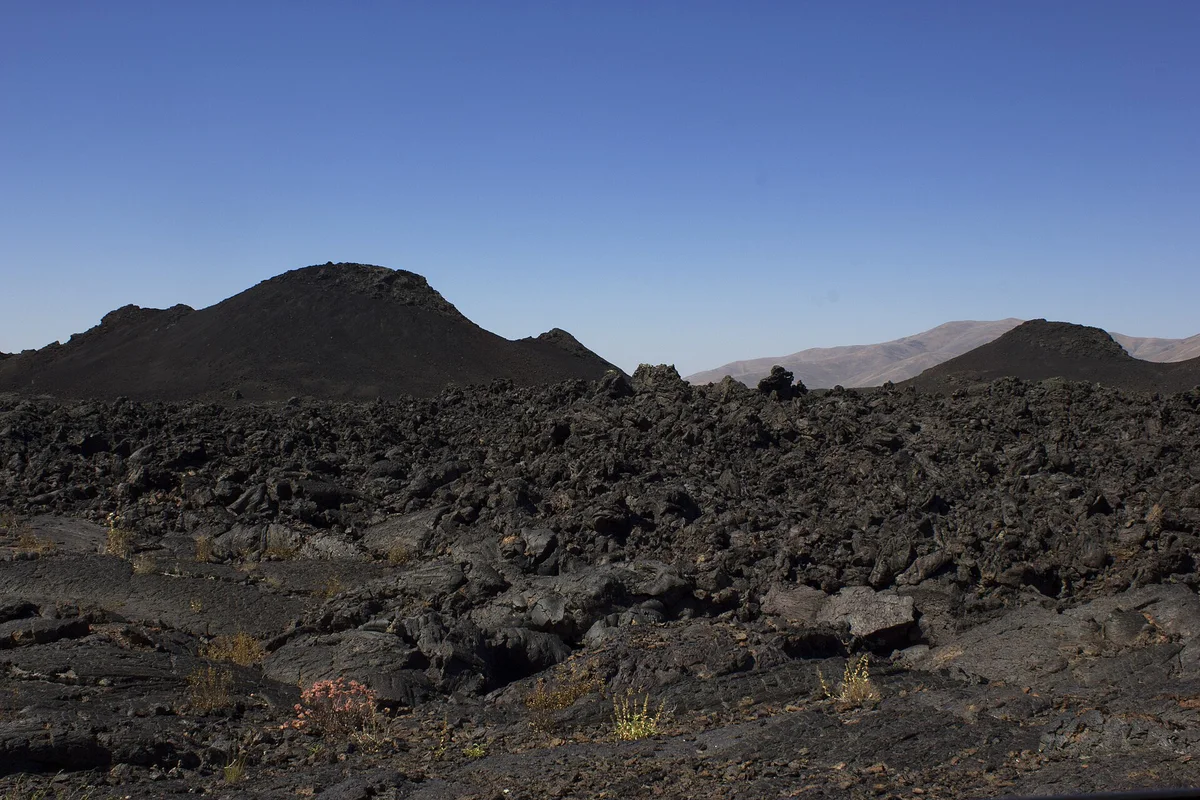
For a trip with contrasting landscapes, consider Craters of the Moon or Hagerman Fossil Beds as separate itinerary days. City of Rocks is most rewarding when its history, geology and quiet walking time have room on the schedule, rather than becoming one more photograph taken on the way somewhere else.
Questions before you go
Is City of Rocks worth visiting if you do not climb?
Yes. Scenic drives, interpretive stops along the California Trail and walking routes make a worthwhile nonclimbing visit.
Do City of Rocks campsites require reservations?
Yes. The NPS requires reservations year-round and does not permit walk-ins. Check availability through its official camping page.
Are dogs allowed at City of Rocks?
The NPS permits dogs on trails and in campsites on a leash no longer than six feet. Clean up after pets and bring drinking water.