National parks in Idaho include a small part of Yellowstone and a much wider collection of National Park Service destinations with other designations. Monuments, a national reserve, historical parks, a historic site, and long-distance interpretive routes all appear in the state's NPS directory. They are not interchangeable, and most are nothing like a large mountain park with a single entrance gate.
The clearest way to plan is to separate six Idaho-connected park units from the historic trails and geologic trail that also cross the state. Use our Idaho parks hub for the wider public-land picture. This guide follows the National Park Service's Idaho directory, rather than counting every scenic federal landscape as a national park.
The six park units to know
Yellowstone National Park
Yellowstone spans Wyoming, Montana, and Idaho, though the celebrated geyser basins and most visitor infrastructure are not in Idaho. An Idaho stay can still be a useful base, but it does not put every major attraction close by. Check park entrance access, road conditions, and your specific destination before choosing lodging.
Our Yellowstone from Idaho guide focuses on that planning distinction. Do not confuse being near the state boundary with being near Old Faithful, or assume a route shown on a map remains open to normal vehicles in winter.
Craters of the Moon National Monument and Preserve
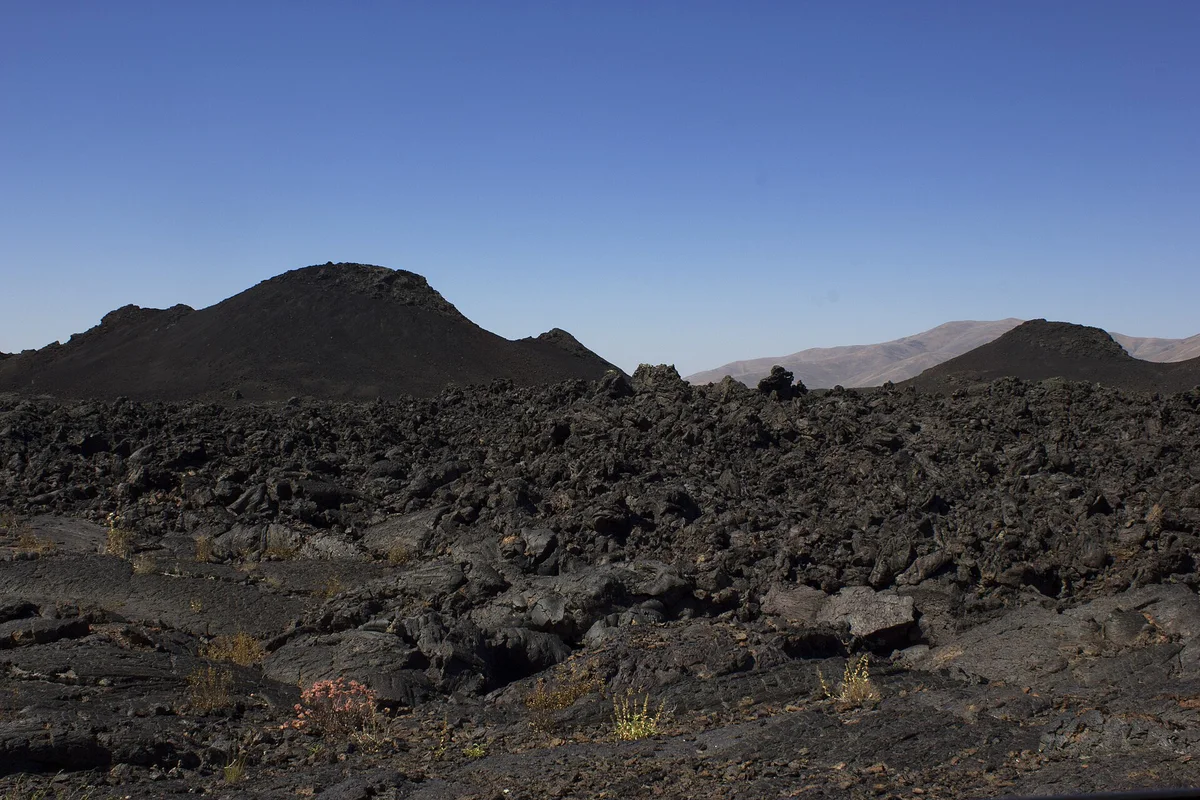
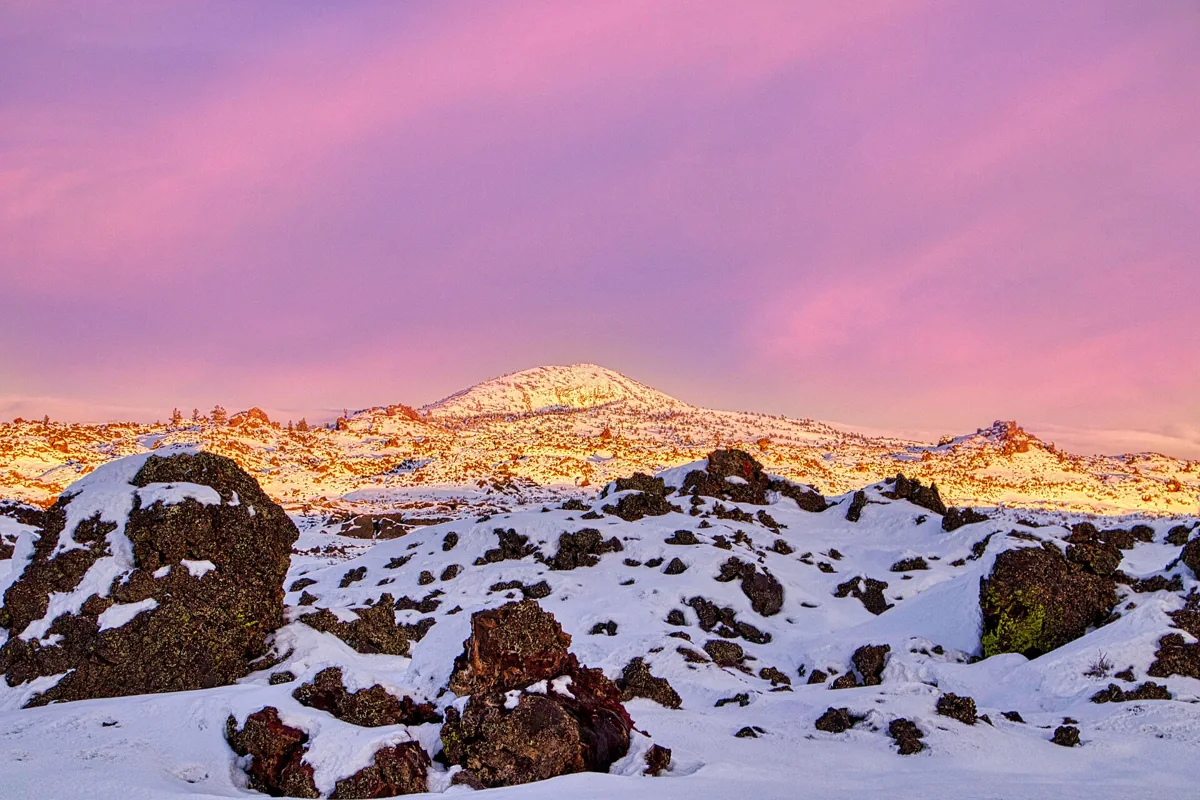
Craters of the Moon protects a volcanic landscape of lava flows, cinder cones, and sagebrush. It is the strongest choice here for travelers who want to understand Idaho's volcanic geology through a dedicated park visit.
Plan for exposed terrain and check the current status of the scenic road, trails, and cave access. Underground access has its own management requirements; it should not be treated as an automatic addition to a casual walk. The monument and preserve involve both NPS and Bureau of Land Management lands, so pay attention to which area you intend to visit.
City of Rocks National Reserve
City of Rocks, near Almo, combines granite formations, climbing, hiking, and California Trail history. It is a national reserve managed through a partnership with Idaho State Parks, which helps explain why it sometimes appears in both state and national travel lists.
Choose it for a slower landscape-focused visit rather than expecting a drive-through collection of roadside attractions. Historic emigrant inscriptions are protected evidence, not an invitation to add a name. Confirm camping and climbing information through the official reserve pages before building an overnight plan.
Hagerman Fossil Beds National Monument
Hagerman Fossil Beds preserves an important Pliocene fossil record, including the history of ancient horses. It is a science and landscape destination, not a public fossil-digging area. Exhibits and interpretation help explain animals and habitats that are no longer visible in the modern surroundings.
Check the official visitor-center location and current access before arriving. Do not assume a monument's map pin marks a staffed entrance or a place where fossils can be seen in the ground. This is a natural partner for a southern Idaho itinerary that also includes Thousand Springs State Park.
Minidoka National Historic Site
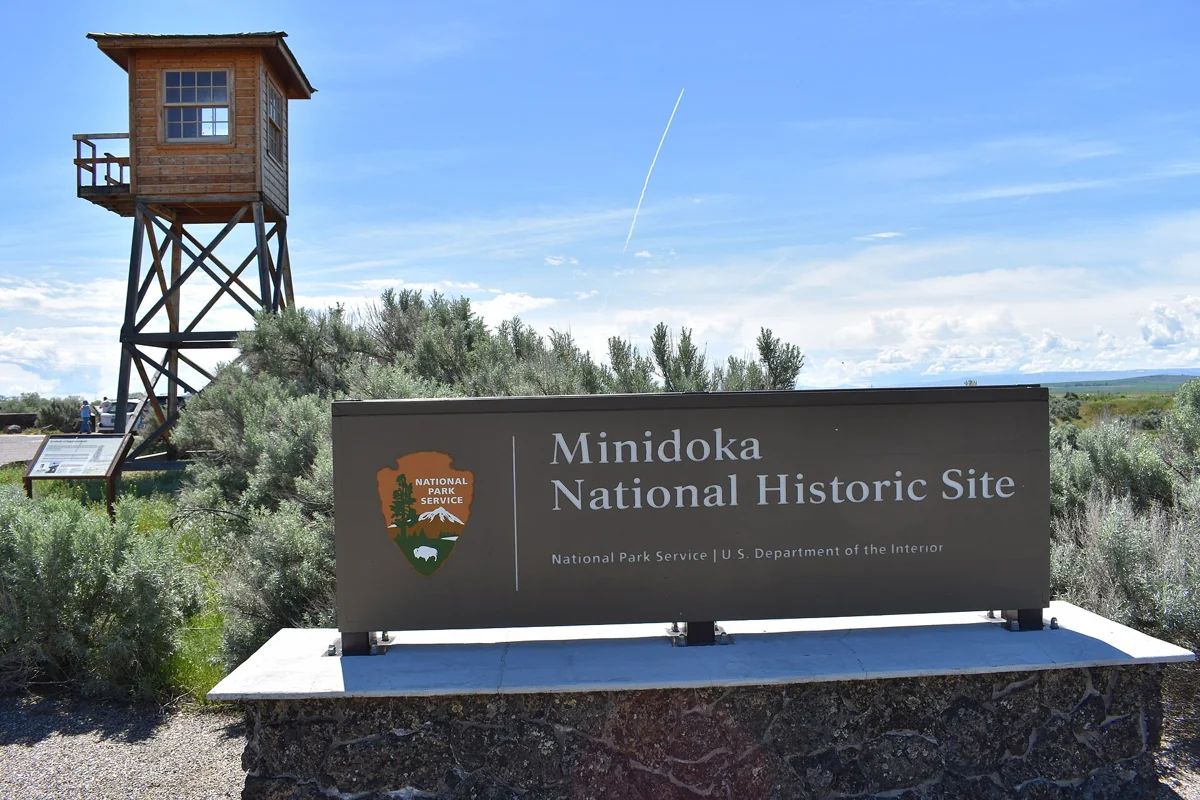
Minidoka preserves the history of Japanese Americans forcibly incarcerated during World War II. This is a place for learning about civil liberties, government policy, and the lives of people confined here, rather than another scenic stop to rush through.
Give exhibits and the historic landscape enough time, and prepare children for the subject before arriving. Indoor visitor services and outdoor areas may have different schedules. Check both if your visit depends on speaking with staff or seeing the full exhibition.
Nez Perce National Historical Park
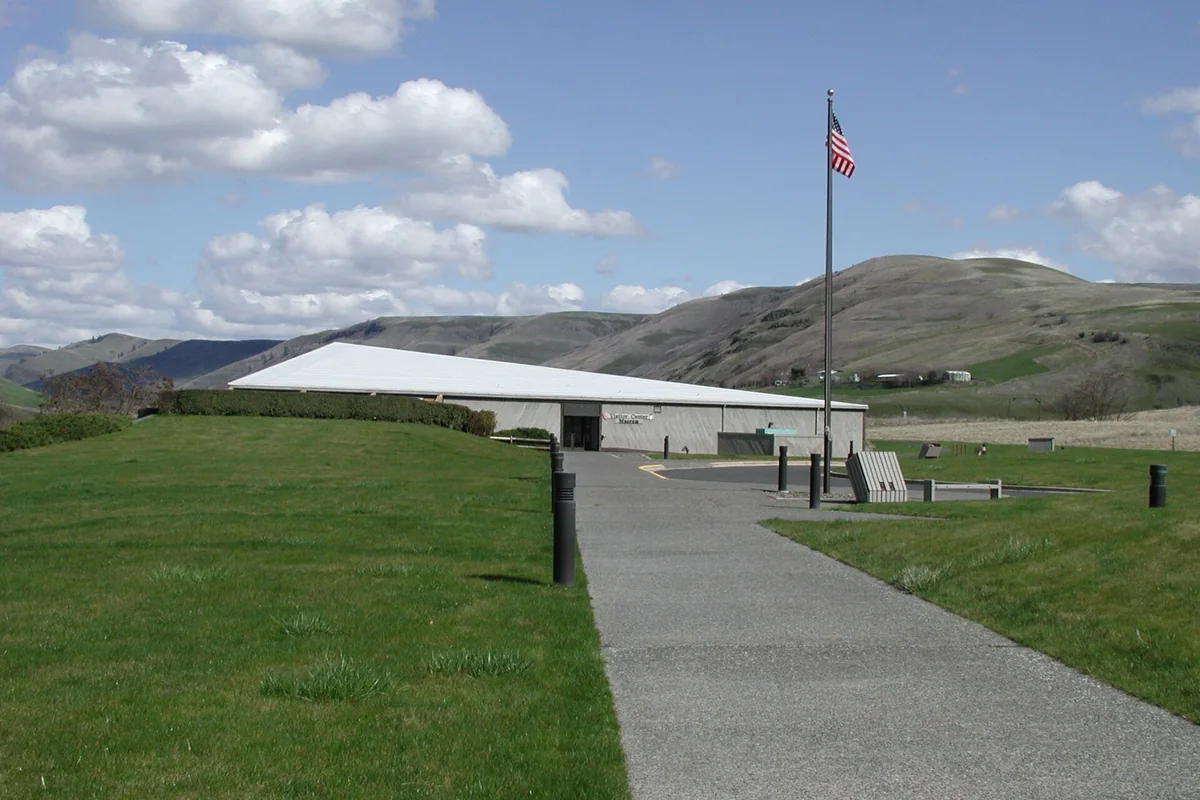
Nez Perce National Historical Park comprises 38 places across Idaho, Montana, Oregon, and Washington. It explores the history and culture of the nimíipuu, the Nez Perce people. This is a dispersed park, not a single enclosure containing every site.
Start with the NPS information for the particular location you want to visit. Tribal homelands and living communities are not simply backdrops to an expedition or conflict story. Let interpretation shape the visit, respect site-specific guidance, and avoid assuming every location has a visitor center.
Historic trails and a geologic trail in Idaho
The NPS Idaho directory also lists four long-distance routes. These are collections of sites, landscapes, and interpretation, not four additional conventional parks:
- California National Historic Trail: follows emigrant routes toward California, including historic places in Idaho.
- Oregon National Historic Trail: connects surviving traces and interpretation of overland migration.
- Lewis and Clark National Historic Trail: interprets the expedition's route through many Tribal homelands.
- Ice Age Floods National Geologic Trail: explains the enormous floods that reshaped parts of the Northwest.
Look up individual stops instead of expecting a continuous paved visitor route. A historic trail designation does not make all the land along it public or create permission to leave an established road.
National parks near Boise: choose a direction
For a Boise-based trip, compare Hagerman's fossil history and Minidoka's civil-rights history before adding the farther volcanic landscape at Craters of the Moon. These are distinct visits, not one compact park complex. City of Rocks rewards a dedicated excursion if climbing or granite scenery is the priority.
Grand Teton is in Wyoming, not Idaho, even though travelers often approach it from eastern Idaho. See Grand Teton from Idaho for that separate trip. Choose a manageable region, check official conditions, and avoid collecting park names at the expense of understanding the places.
Questions before you go
Does Idaho have a park officially called a National Park?
Yes. A small portion of Yellowstone National Park is in Idaho. The state also has other NPS units with different designations.
Is Grand Teton National Park in Idaho?
No. Grand Teton National Park is in Wyoming, although eastern Idaho is a common approach region.
Is every route in the NPS Idaho directory a separate park?
No. The directory also includes national historic trails and the Ice Age Floods National Geologic Trail.