7-day weather forecast
National Weather Service · Updated 2026-11-19T23:31:14+00:00. Forecasts can change quickly in the mountains.
Sun Valley, Idaho weather brings cold winters, warm summer afternoons and cool nights, but conditions depend strongly on elevation. NOAA’s 1991–2020 normals for nearby Ketchum Ranger Station put the average July high at 80.0°F and the average January low at 8.0°F. Use these as trip-planning context, not a forecast for a particular travel date.
The table below is a valley-station record, not a summit snow report. For the wider destination, start with our Sun Valley guide and Ketchum town guide. Skiers should pair this climate overview with the skiing guide; hikers should use the local hiking guide and current trail information.
Sun Valley monthly weather averages
Source: NOAA National Centers for Environmental Information, station USC00104845, Ketchum Ranger Station, Idaho. These are 1991–2020 monthly climate normals. NOAA identifies the station elevation as approximately 5,890 feet. Temperatures are Fahrenheit; precipitation and snowfall are inches. Precipitation includes the water equivalent of frozen precipitation, while snowfall measures accumulated new snow, so the two columns are not interchangeable.
| Month | Average high °F | Average low °F | Precipitation inches | Snowfall inches |
|---|---|---|---|---|
| January | 31.3 | 8.0 | 2.25 | 27.00 |
| February | 35.0 | 11.1 | 1.88 | 17.20 |
| March | 42.6 | 18.7 | 1.76 | 10.50 |
| April | 51.9 | 26.9 | 1.17 | 3.20 |
| May | 61.6 | 34.7 | 1.78 | 0.20 |
| June | 69.7 | 39.9 | 1.26 | 0.00 |
| July | 80.0 | 45.1 | 0.55 | 0.00 |
| August | 78.7 | 43.5 | 0.50 | 0.00 |
| September | 69.0 | 36.1 | 1.01 | 0.00 |
| October | 55.9 | 27.7 | 1.40 | 1.60 |
| November | 41.2 | 17.4 | 1.21 | 10.30 |
| December | 30.3 | 9.2 | 2.57 | 32.00 |
Numbers are transcribed from NOAA’s monthly normals service, requested in standard units. They describe the long-term climate at the observation site, not an average across every slope, neighborhood or trail around Sun Valley. A reported summer snowfall normal of zero is not a promise that winter weather cannot affect the surrounding high country.
What is winter weather like?
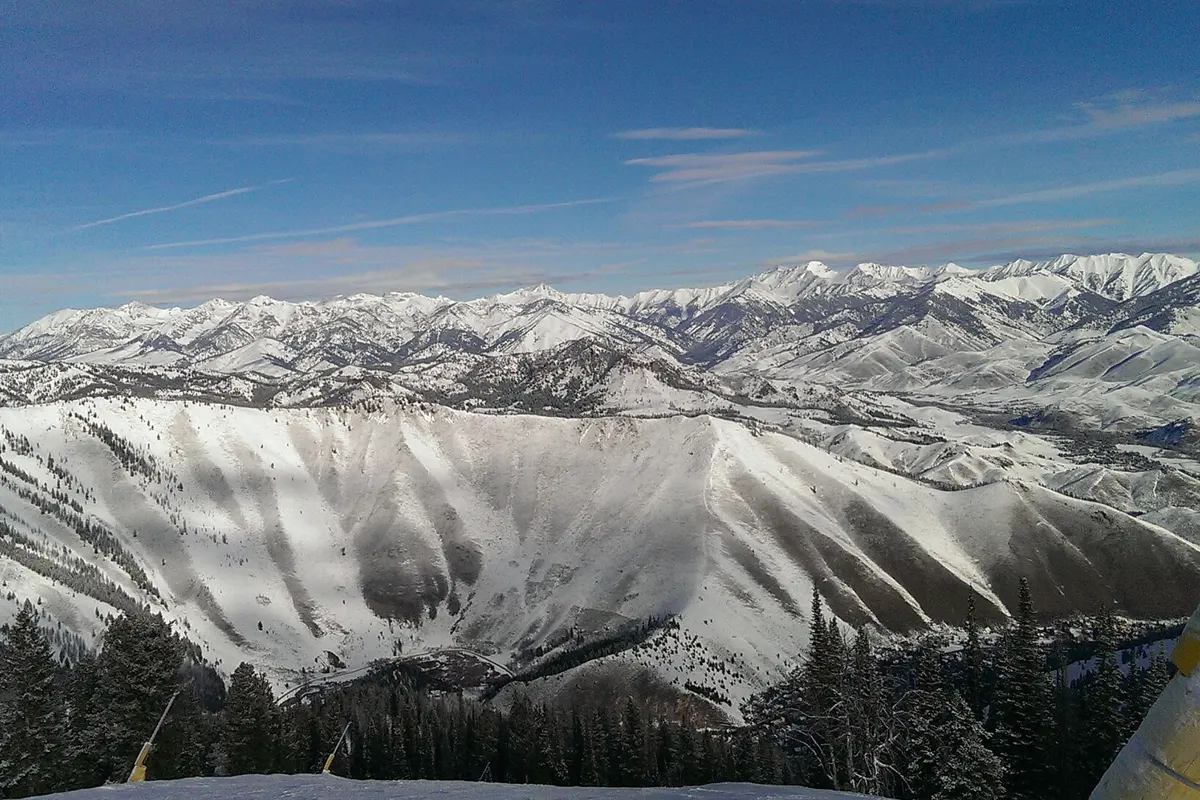
December through February has cold average lows and substantial station snowfall. January’s average high remains below freezing, while February’s average high rises just above it. Those monthly averages hide the daily changes that matter to a skier: wind, visibility, fresh snow, icy surfaces and the difference between shaded and sunlit terrain.
Pack an insulating layer, waterproof outerwear, warm gloves and eye protection. Check the resort’s live mountain report for open lifts and runs rather than inferring ski conditions from snowfall in town. A monthly snow normal is neither the expected snow depth nor a guarantee of a powder day, and resort snowfall statistics should not be substituted into this valley table.
March through May: transition rather than one season
March’s normal low is 18.7°F; April’s is 26.9°F. Even as afternoons become milder, overnight freezing remains an important part of the climate. A pleasant lunch outdoors does not mean a high trail has melted out or a shaded road is clear of ice.
Spring plans work better when they have alternatives. Check current ski operations if you are coming for snow, or verify that the specific walking or biking route you want is suitable before heading out. Avoid muddy trails where travel would damage the surface. Keep waterproof footwear and a warm layer available, even if the daytime forecast looks comfortable.
June through August: warm days, cool starts
The normal summer high rises from 69.7°F in June to 80.0°F in July, then eases to 78.7°F in August. Overnight lows remain far cooler, averaging 39.9°F, 45.1°F and 43.5°F respectively. That day-to-night spread is a more useful packing clue than describing the whole summer as simply hot.
Bring sun protection, water, an insulating layer and rain protection for outdoor days. Start a hike with a forecast for its elevation and keep an alternative available if thunderstorms, smoke or closures affect the route. July and August have the lowest precipitation normals in this table, but a dry monthly average cannot rule out a wet or hazardous afternoon.
Our Sun Valley summer guide helps match activities to the season. If you are extending the trip into the Sawtooth National Recreation Area, use the conditions there rather than assuming the valley forecast covers a different mountain basin.
September through November: watch the nights
September’s normal high is 69.0°F, but its normal low is 36.1°F. October’s average low drops below freezing, and November’s falls to 17.4°F. A fall trip can therefore need very different clothing for an afternoon town walk and an early trailhead start.
Shorter daylight also limits how much can fit into an outdoor day. Check the forecast close to departure, carry lighting if a late return is possible, and avoid treating a clear morning as proof that a high route will stay comfortable. See the broader Idaho fall guide for seasonal trip ideas without assuming a fixed date for snow or leaf color.
Where to check the current forecast
Use the National Weather Service for a point forecast at your actual destination. Review the forecast elevation as well as the place name. For a mountain outing, the nearest town forecast is useful background but may be materially warmer and less windy than the terrain you intend to visit.
For road travel, consult Idaho 511. For lift operations, use the resort’s current report. If your trip includes backcountry snow travel, seek current avalanche information and the training and equipment appropriate to that activity; a general weather forecast is not an avalanche assessment.
How to use climate normals without overreading them
First, choose the season that matches your activity. Next, compare the table with the forecast shortly before travel. Finally, adjust for your route’s elevation, exposure and time of day. The result should be a flexible packing and activity plan, not a claim that the weather will behave like the monthly average.
Questions before you go
What is the warmest month near Sun Valley?
July has the highest average daily maximum in the Ketchum Ranger Station 1991–2020 normals: 80.0°F. The average July low is 45.1°F.
Does this table show snowfall on Bald Mountain?
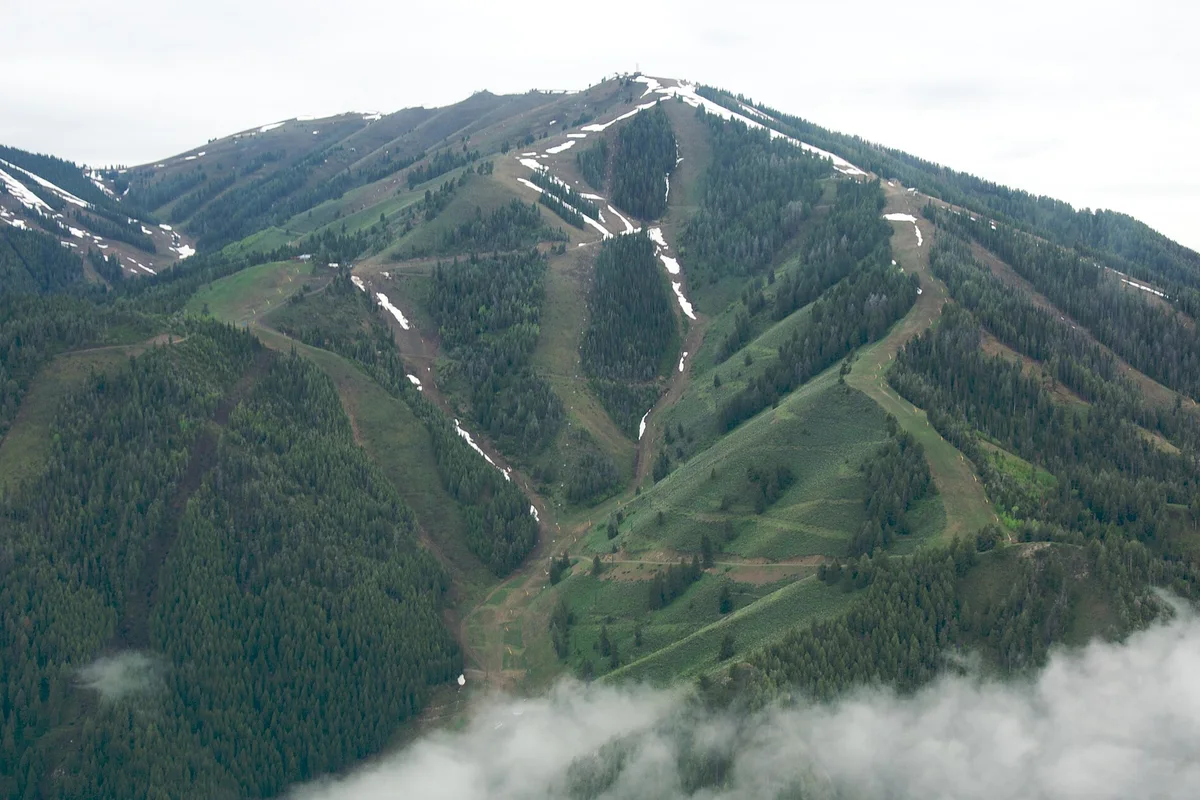
No. It shows NOAA snowfall normals at Ketchum Ranger Station in the valley. Use the resort’s current report for mountain snowfall and operating conditions.