⌁ Ski report
Snow depth at the nearest SNOTEL station (Magic Mountain, 6,940 ft) — not the resort’s reported base. 9 in snow depth. Observation: 2026-11-18. -1 in / 24h (depth change, not snowfall).
NRCS station snow depth, not resort base. Check resort reports before traveling.
7-day weather forecast
National Weather Service · Updated 2026-11-20T02:54:07+00:00. Forecasts can change quickly in the mountains.
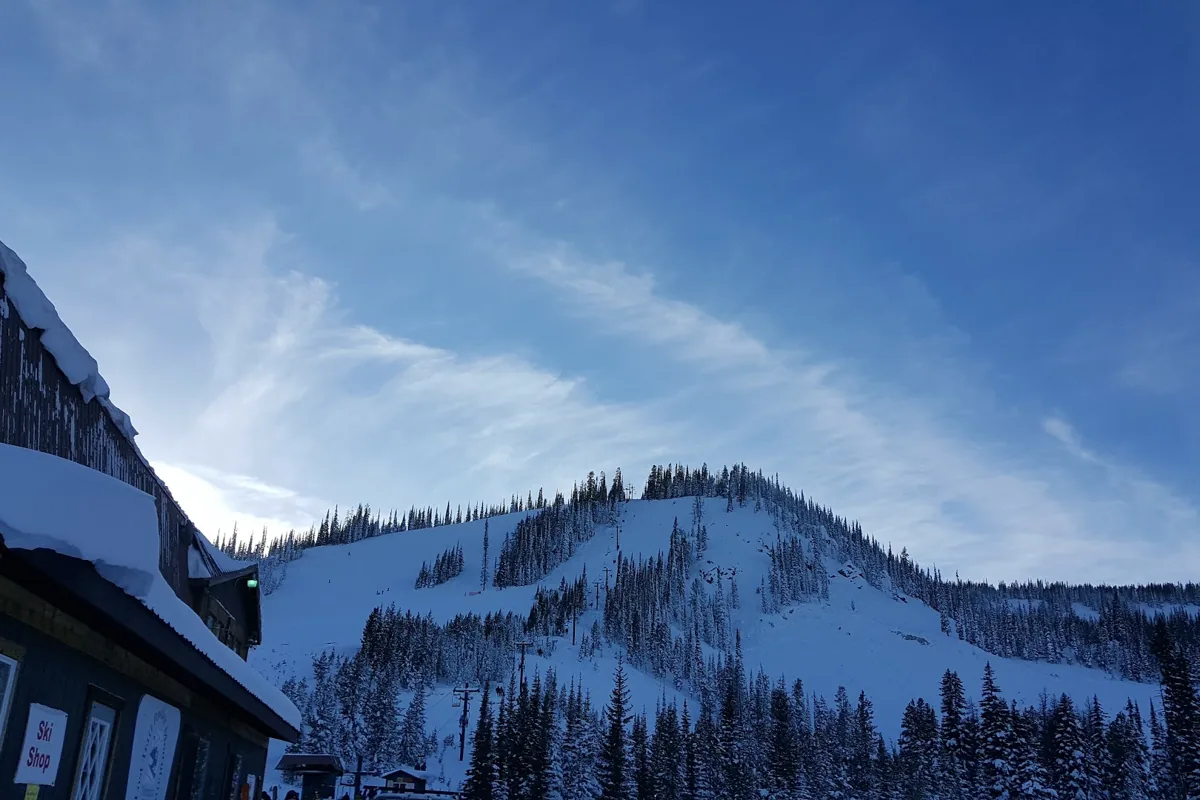
Magic Mountain Idaho skiing is centered on a compact southern Idaho mountain with lessons, equipment rentals, and a separate tubing option. The resort lists 120 skiable acres and a 740-foot vertical drop, making it a place to consider for a focused snow day rather than a sprawling destination-resort vacation. Its Kimberly mailing address should not be mistaken for an in-town location: the slopes are in the mountains south of town.
Start with the Idaho skiing hub if you are still choosing a mountain. For this trip, the most useful decisions are who needs instruction, whether anyone wants tubing instead of skiing, and which operating day fits your plans.
What the mountain is like
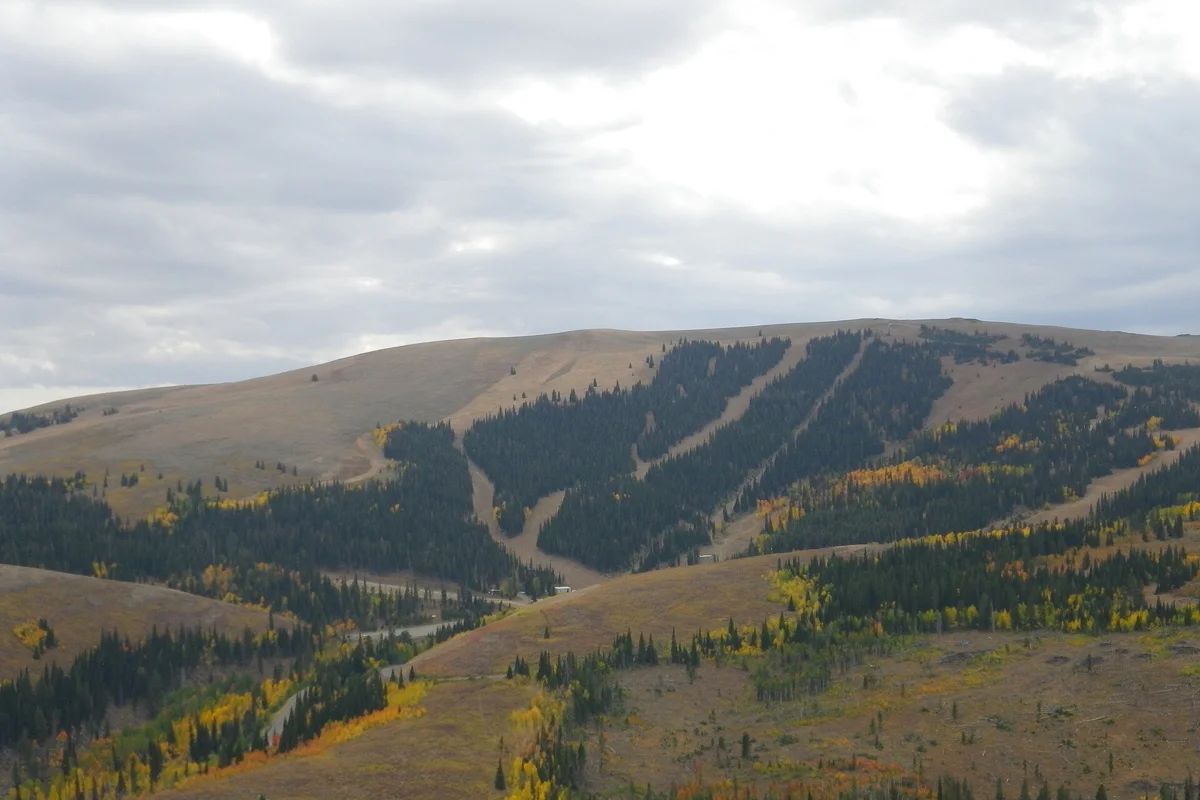
On its official terrain page, Magic Mountain publishes a base elevation of 6,500 feet, a summit elevation of 7,240 feet, three lifts, and 120 acres. Those figures describe a relatively small footprint. Groups can plan around repeated laps and skill-building rather than trying to cover a large network of separate mountain zones.
Run counts are less straightforward: the resort's terrain page lists 22 trails, while its homepage describes 11. This guide does not choose between those conflicting totals. Use the current trail map and the day's open-terrain report to decide what is available, especially if an advanced skier in your group expects a full selection of runs.
A smaller ski area is not automatically suitable everywhere for a first-timer. Beginners should start with staff guidance about the learning area, the lift they will use, and the route back to the base. Confident friends can help with logistics, but they are not a substitute for instruction on stopping, turning, and riding lifts.
Lessons and rentals
Magic Mountain advertises ski and snowboard lessons as well as rentals. Its lesson page recommends reservations. Arrange instruction before committing the rest of your day, and explain each learner's actual experience rather than simply requesting a beginner or intermediate label. Ask whether children and adults can learn together and how the resort groups participants.
When comparing packages, check whether the quoted total includes equipment, the appropriate lift access, and instruction. A lesson-only booking and a bundled first-timer package are not interchangeable. Confirm helmet availability, sizing, and the time needed to collect equipment before the lesson begins.
Dress for repeated outdoor stops, not just active downhill runs. Waterproof gloves, eye protection, warm socks, and layers matter when someone spends much of a first day practicing at low speed. Bring dry clothing for the drive back, particularly for children who may also want to play in the snow.
Can you go tubing instead?
Yes. The resort has a dedicated snow-tubing operation, useful for a group that does not all want to ski or snowboard. Treat tubing as a separate reservation decision. The official tubing page carries session and booking information; verify current dates, participant requirements, and availability before leaving home.
A tubing ticket should not be assumed to include skiing, and a ski ticket should not be assumed to cover tubing. If you want both, work backward from the reserved activity so equipment returns, lunch, and moving between activities do not consume the session. Ask the operator how mixed-age groups are accommodated rather than making plans from an old price list.
Getting there and choosing a base
The resort gives its address as Forest Road 499, Kimberly, Idaho. Navigate to the ski area itself, not simply Kimberly's town center. Check the resort's directions before departure and Idaho's road information for the public-highway portion of the trip. A highway report does not establish that the entire mountain approach is clear.
Twin Falls is a practical regional base to investigate if you want lodging and non-ski activities on the same trip. Keep your return drive flexible enough for winter weather and tired beginners. Do not build the schedule around a summer driving-time estimate or a promised closing-time departure.
Have fuel, warm layers, food, and drinking water with you. Save directions and booking confirmations before heading into the mountains. Magic Mountain's contact page notes limited service on the mountain and identifies texting as its preferred contact method.
Tickets, opening days, and snow conditions
Check the resort's current notices before every visit. Published winter schedules, holiday announcements, and older lesson dates can remain online between seasons. This guide does not treat them as a confirmed calendar for your travel date or reproduce undated ticket prices.
- Confirm that the ski area is operating on your chosen day.
- Check which lifts and terrain are open, not only the headline snow report.
- Verify lessons, rentals, and tubing separately if your group needs them.
- Read cancellation terms before making several connected reservations.
How it fits a southern Idaho ski trip
Compare Pomerelle and Soldier Mountain if you are deciding among southern Idaho areas. Choose by the day's open terrain, lesson availability, and approach conditions rather than acreage alone. For a broader shortlist, use the Idaho ski resorts guide. Magic Mountain makes the most sense when its compact scale and activity mix match the people actually coming along.
Questions before you go
Where is Magic Mountain in Idaho?
Magic Mountain is in the mountains south of Kimberly in southern Idaho. The resort lists its address as Forest Road 499, Kimberly, Idaho.
Does Magic Mountain offer tubing?
Yes. The resort advertises a dedicated tubing operation. Check its official tubing page for current sessions, requirements, and reservations.
How much vertical does Magic Mountain have?
The resort terrain page lists a 740-foot vertical drop, a 6,500-foot base, and a 7,240-foot summit. Other listings differ, so this guide uses the resort figures.