⌁ Ski report
Snow depth at the nearest SNOTEL station (Saddle Mtn., 7,890 ft) — not the resort’s reported base. 9 in snow depth. Observation: 2026-11-18. -1 in / 24h (depth change, not snowfall).
NRCS station snow depth, not resort base. Check resort reports before traveling.
7-day weather forecast
National Weather Service · Updated 2026-11-19T18:47:24+00:00. Forecasts can change quickly in the mountains.
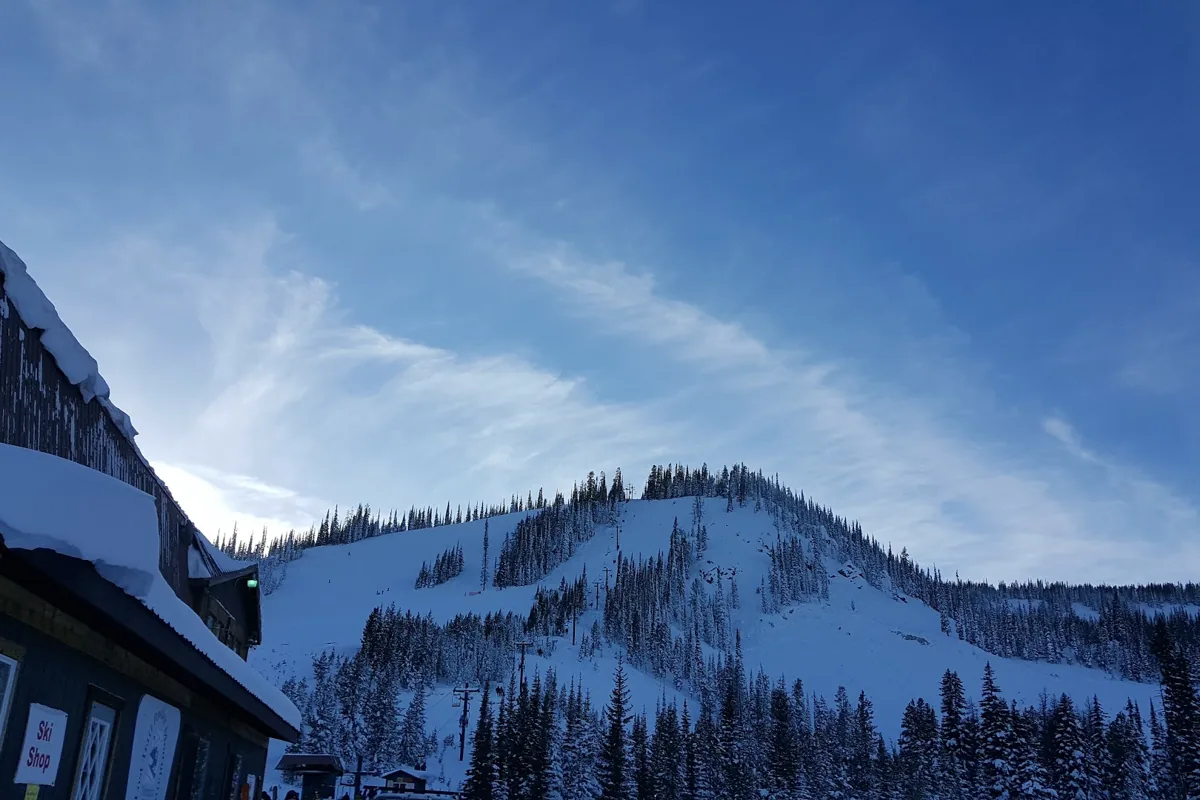
Lost Trail ski area straddles the Idaho–Montana border at Lost Trail Pass, with access from U.S. Highway 93. Also called Lost Trail Powder Mountain, it offers a network of double chairs and rope tows rather than a large resort-village experience. For Idaho travelers, the important planning questions are the winter pass approach and the operating date: the mountain generally runs Thursday through Sunday and major holidays.
The resort’s official map lists 1,800 feet of vertical, five double chairs and three rope tows. It advertises 1,800 acres on its season-pass page. Those numbers describe a substantial ski day, but the current lift report and trail map matter more than the inventory when deciding what your group can ski. Start with the Idaho skiing guide if you are comparing several mountains.
Is Lost Trail in Idaho or Montana?
The ski area crosses the state line in the Bitterroot Range. Its main lodge and parking area are on the Montana side, while part of the skiing is in Idaho. Calling it only an Idaho resort or only a Montana mountain leaves out something useful about the actual trip. Use the resort’s official location and directions for arrival rather than navigating to an arbitrary state-line marker.
Salmon is an Idaho gateway to consider for a trip approaching from the south. It is not a slopeside village, so allow for the highway journey rather than choosing a room as if the lift were outside. Travelers arriving from Montana need to assess their own approach independently; a clear road on one side does not guarantee the same conditions everywhere.
Check current highway information before leaving and again when conditions are changing. Keep the return drive part of the day’s plan, especially after fresh snow or a late finish. The pass setting is part of the mountain’s identity, but it also means a ski outing cannot be planned using a valley forecast alone.
What is the skiing like?
Lost Trail’s official statistics list 69 trails, a vertical drop of 1,800 feet and a longest run of 1.2 miles. Five double chairs give the lift network a different rhythm from a destination built around high-speed detachable chairs. Leave time to explore gradually instead of assuming every lift connection will fit a tightly timed circuit.
The resort’s advertised acreage should not be read as acreage suitable for every ability. Study the trail map for an appropriate starting area and identify the return route before moving farther across the mountain. A family with first-timers should organize around the learning setup, while stronger skiers can consider separate terrain after checking conditions.
Do not confuse the roughly 7,000-foot main base with the lowest elevation served by the whole lift network. They describe different locations. This guide uses the resort’s published vertical rather than subtracting elevations gathered from different reference points. The useful question for a day visit is which routes and lifts are open, not which combination produces the biggest headline number.
Why does the operating calendar matter so much?
The resort’s official history page describes a Thursday–Sunday schedule with significant holiday openings. That makes the exact travel date essential. A Monday in a holiday period may be different from another Monday, and a general winter listing is not confirmation that public lifts will run on a particular weekday.
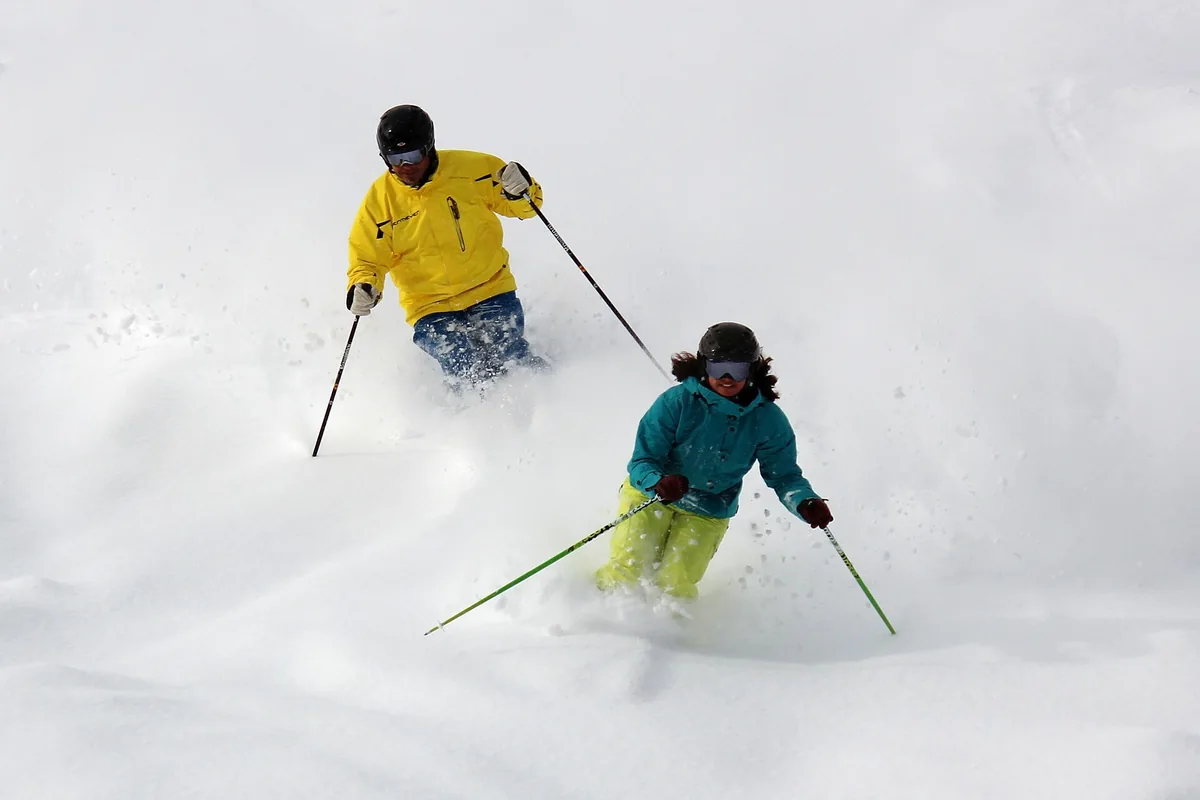
Lost Trail uses “Powder Thursday” in its official messaging. Treat that as a description of the mountain’s identity and operating rhythm, not a promise of untouched snow on demand. Weather and the daily operating plan still determine the experience. Verify both before building a long drive around a powder expectation.
If a trip spans several weekdays, decide what you will do on nonoperating days before booking accommodation. Do not substitute an unplanned backcountry outing for a closed lift day. A closed resort is not an invitation to use controlled terrain independently, and uphill access requires checking the current policy directly.
What should beginners book?
Lost Trail offers group lessons sorted by age and ability. Its official lesson page recommends reservations and says walk-in availability is first come, first served. Book ahead when instruction is central to the trip rather than relying on an opening after arrival.
The same page requires participants to establish a Lost Trail RFID account before lessons. Complete the requested setup at home and confirm ticket, rental and lesson inclusions separately. A little advance administration can remove a stressful queue from a cold morning, particularly when several children or new skiers need equipment fitting.
Agree on a lodge meeting plan and leave the learner enough time to practice after instruction. For rope-tow or chairlift use, ask staff for help if unfamiliar with the equipment. The aim of a first day is controlled, comfortable skiing, not reaching a particular distant lift because the map looks interesting.
Where does Lost Trail fit in an Idaho ski trip?
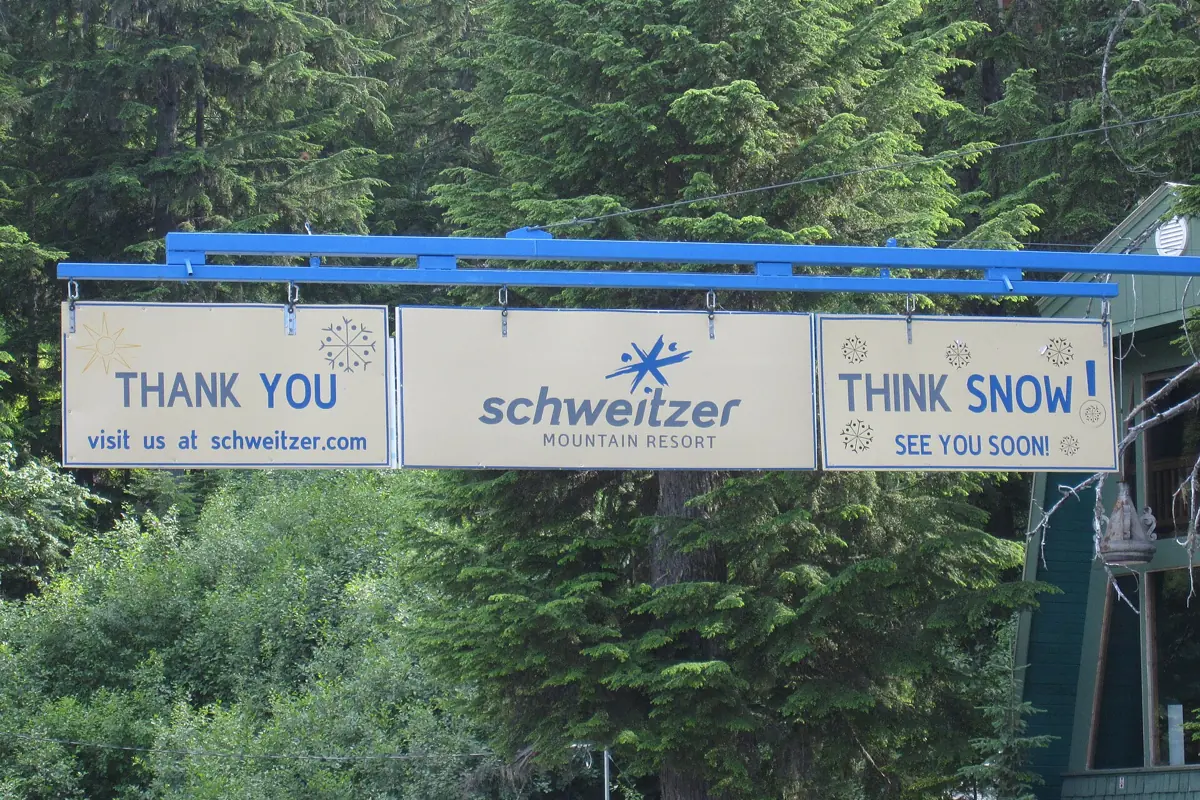
Lost Trail works best as a deliberate border-country stop rather than an assumed add-on to another distant mountain. Compare Schweitzer for a northern Idaho destination with a different lodging setup, or Soldier Mountain for another independently paced operation with a limited weekly public schedule. Neither is a casual same-day substitute without checking the route.
A sensible visit has a confirmed operating day, a weather-aware pass drive, realistic terrain goals and a clear return plan. Keep lodging, rentals and lessons organized around those basics. That leaves time to enjoy Lost Trail’s skiing without relying on a snowfall average, an outdated timetable or a misleading state label to do the planning.
Questions before you go
Is Lost Trail ski area in Idaho or Montana?
It straddles the Idaho–Montana border at Lost Trail Pass. The main lodge and parking area are on the Montana side, while some skiing is in Idaho.
Is Lost Trail open on Mondays?
The resort describes a Thursday–Sunday pattern with significant holiday exceptions. Check its current calendar for the exact Monday; do not assume normal public operations.
How many lifts are at Lost Trail?
The official map and statistics page lists five double chairs and three rope tows. Daily lift availability can differ from that inventory.