⌁ Ski report
Snow depth at the nearest SNOTEL station (Grand Targhee, 9,260 ft) — not the resort’s reported base. 13 in snow depth. Observation: 2026-11-18. +0 in / 24h (depth change, not snowfall).
NRCS station snow depth, not resort base. Check resort reports before traveling.
7-day weather forecast
National Weather Service · Updated 2026-11-20T03:47:23+00:00. Forecasts can change quickly in the mountains.
Grand Targhee is in Alta, Wyoming, but its road approach runs through Driggs, Idaho. That distinction is the first thing to get right: an Idaho Teton Valley base puts you on the resort’s access side of the range, while a room elsewhere in Wyoming does not necessarily mean an easier ski morning. Plan this as a western-Tetons trip, not as a generic Jackson-area reservation.
The resort publishes 2,602 skiable acres and a base area elevation of 7,851 feet, with groomed trails, ungroomed terrain and in-bounds hike-only skiing. For travelers comparing an eastern Idaho itinerary, the Idaho skiing hub provides the broader picture. Targhee is a regional option across the state line, not an Idaho resort relabeled for a directory.
Where exactly is Grand Targhee?
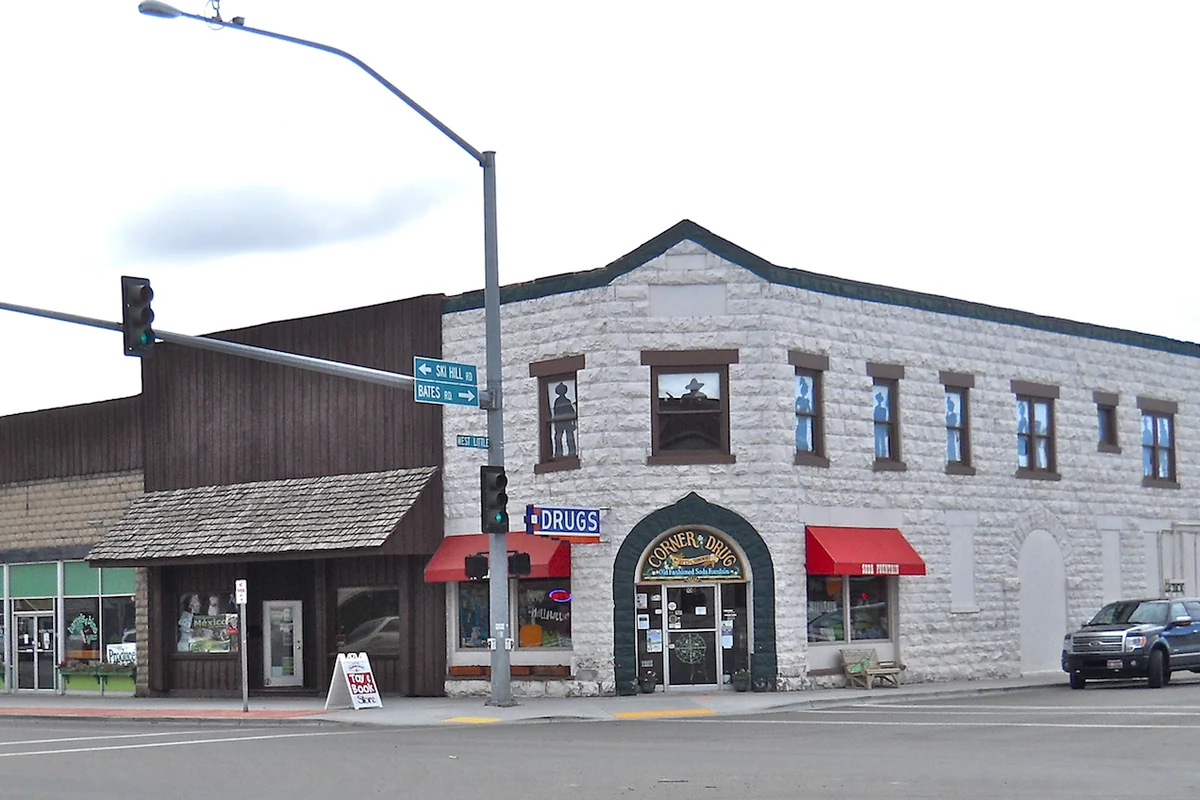
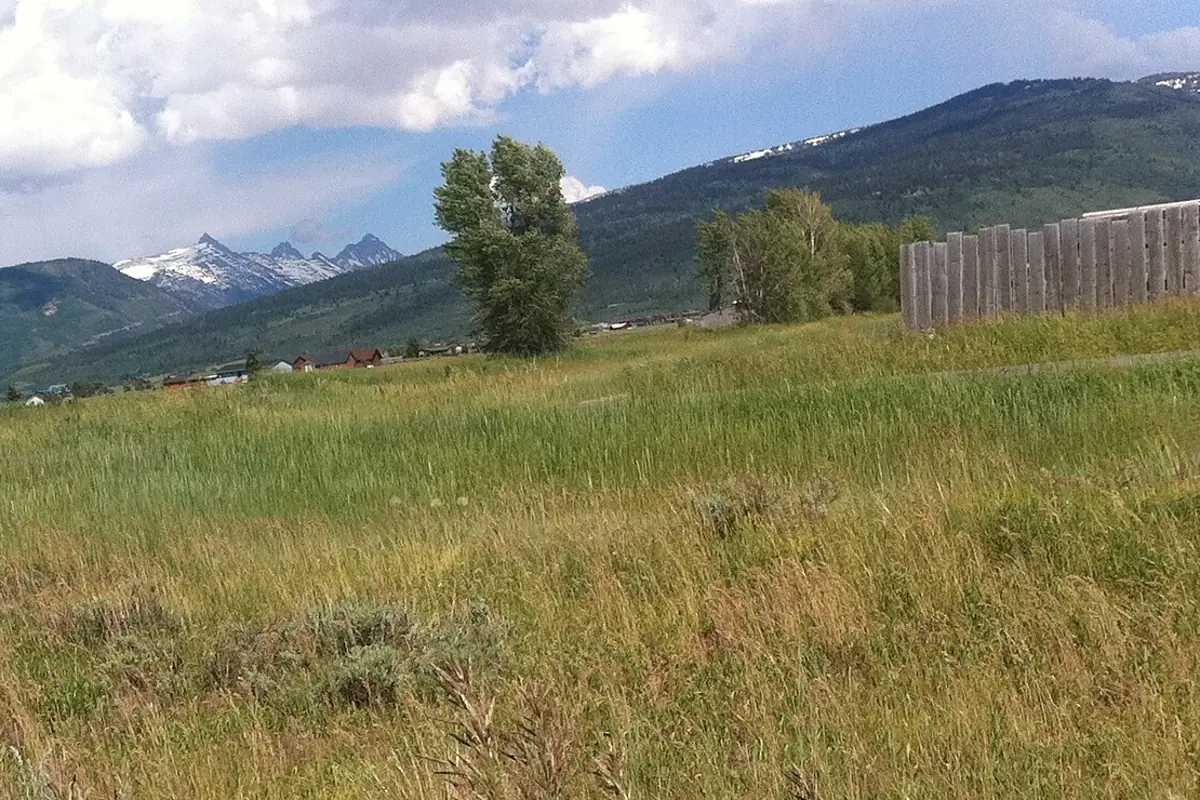
The resort is on the western slope of the Tetons in the Caribou-Targhee National Forest. Its official address is 3300 Ski Hill Road, Alta, Wyoming. The practical Idaho gateway is Driggs, with Victor another Teton Valley base to compare when choosing lodging.
Look at a map before comparing flight and hotel packages. Towns on opposite sides of the Tetons can look deceptively close when measured in a straight line. Use the resort’s official getting-here information for the approach and check current road conditions for the full route, not just the last stretch to the resort.
Do not transfer a summer sightseeing drive into a winter ski plan without checking it. Mountain road restrictions and weather can change what is sensible, and a last-minute change in the arrival airport can alter the trip substantially. In a group, make sure every driver has the resort address and understands which side of the range the accommodation is on.
How big is the mountain, and what do the numbers mean?
Grand Targhee’s official mountain statistics list 2,270 feet of vertical, six lifts and 2,602 acres. The ability breakdown is 10 percent beginner, 45 percent intermediate, 30 percent advanced and 15 percent expert. Those figures make it useful to assess the mountain by the group’s skill range rather than by acreage alone.
There is more than one relevant summit elevation. Fred’s Mountain is listed at 9,862 feet and Peaked Mountain at 9,830 feet. Mary’s Nipple reaches 9,920 feet, but the resort identifies it as in-bounds, hike-only terrain. A high point is not the same thing as a chairlift unloading elevation, and the hike-only acreage should not be treated as part of a beginner’s usable terrain.
The resort’s published vertical and the difference between a selected summit and the base can also differ. They describe different points and operating terrain. This guide uses the resort’s own vertical figure instead of constructing a larger number from unrelated elevations. When comparing ski areas, use the same definition rather than mixing summit height with lift-served drop.
Which terrain should you start with?
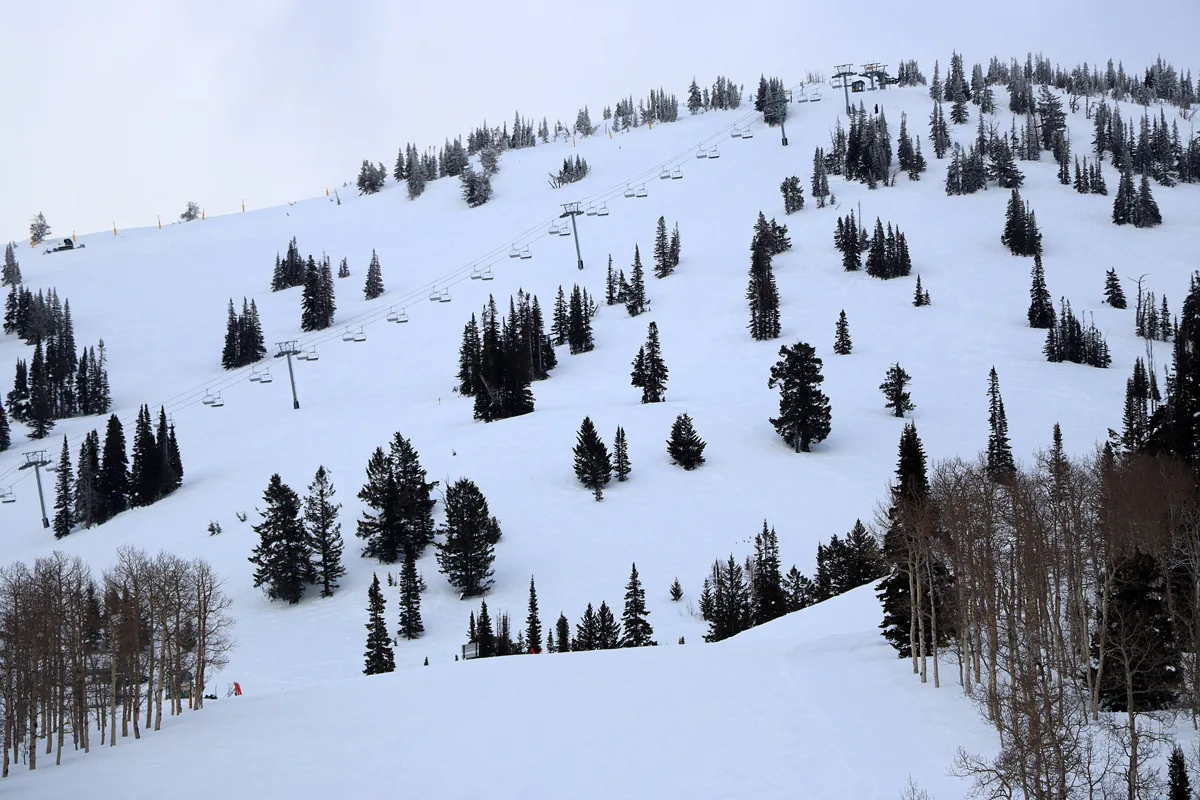
Use a current winter trail map to divide the mountain into manageable areas before the first ride. Fred’s Mountain and Peaked Mountain have distinct lift networks; the official statistics list three quad chairs and a conveyor on Fred’s Mountain, and a high-speed six-pack and high-speed quad on Peaked Mountain. That does not mean every lift is open every day.
For a first morning, choose terrain with an obvious return and save ambitious exploration for after you have checked snow texture and visibility. A confident skier’s plan to traverse to another area can create a much more demanding day for a companion who is still finding their balance. Separate meeting plans are often more useful than insisting on a single itinerary.
The resort lists Teton Vista Traverse as its longest run at 2.7 miles. Long routes can be useful for orientation, but consult the map for grade and connections rather than assuming a long name means a beginner-friendly cruise. A traverse also calls for controlled movement and awareness of other users, particularly where trails meet.
What should beginners and mixed-ability families arrange?
The mountain’s overall acreage is not the most useful measure for a first-time skier. Prioritize instruction, rental pickup, the learning area and the route back to the meeting place. Check the resort’s current lesson options directly, matching the skier’s actual stopping and turning skills to the program instead of choosing by age alone.
Before purchasing, confirm whether the quoted product includes rentals, a ticket and instruction or only one of those pieces. Make space in the morning for equipment fitting, bathrooms and walking in ski boots. A family that arrives at the base precisely at lesson time is already working with an unnecessarily tight schedule.
For advanced skiers, lift-served ungroomed terrain and hike-only terrain are separate decisions. Follow posted closures and patrol instructions, and do not treat a visible track as confirmation that a route is open. If anyone in the party is uncertain about snow conditions, ask staff for an appropriate route rather than attempting to solve the map by following strangers.
Should you stay at the resort or in Teton Valley?
A resort stay makes sense when ski-day simplicity is the priority. It can reduce the number of daily transportation decisions and make it easier for members of a group to start or finish at different times. Check the actual property location, meal arrangements and what is included in the booking before assuming every service is at the door.
A Driggs stay puts the trip in the valley and keeps the Idaho gateway central to the plan. Victor may also suit the wider itinerary, but compare the full morning route rather than treating all Teton Valley addresses as interchangeable. Lodging that is convenient for one traveler’s evening plans may add friction for another traveler’s early lesson.
Grand Targhee has published a winter shuttle connecting valley stops and the resort. The official 2025–26 schedule includes Driggs and Victor stops, but that document is a reference, not a promise for later seasons. Find the current timetable through the resort before booking around a particular stop, and check the final return as well as the first departure.
How do snow, visibility and elevation affect the trip?
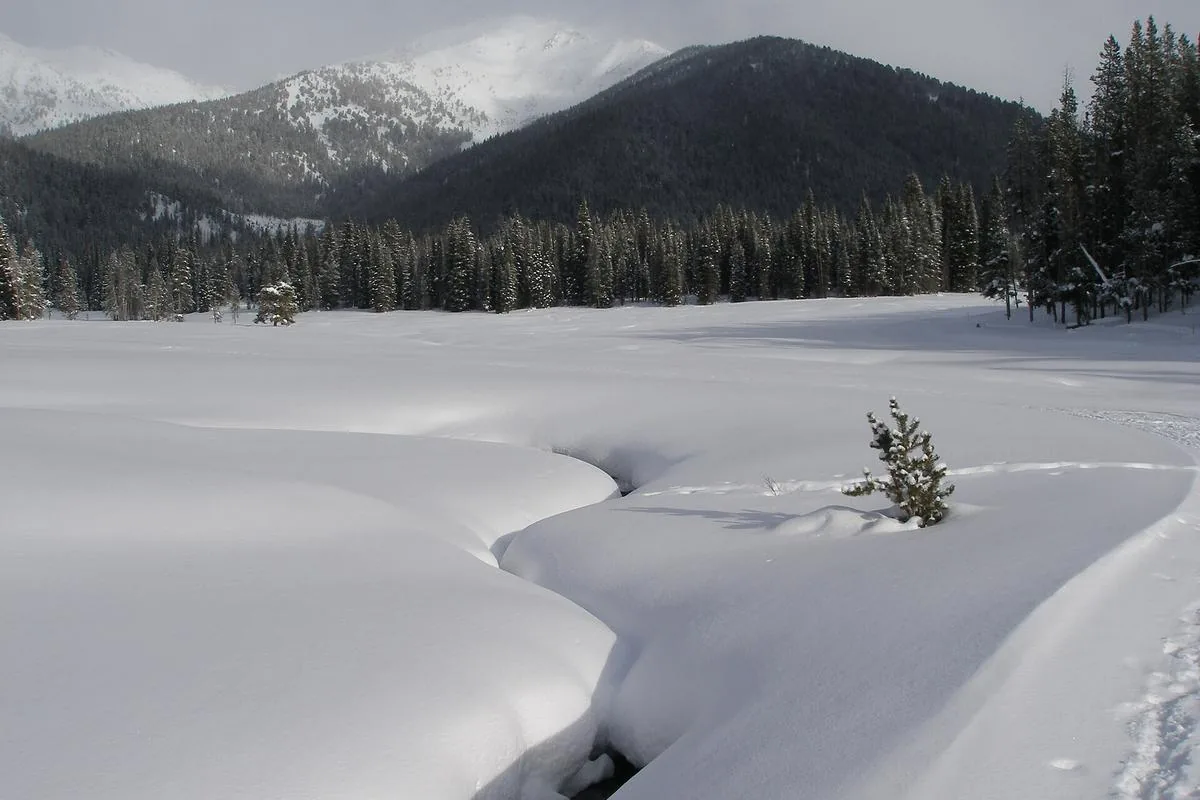
The resort advertises more than 500 inches of average annual snowfall. That is a climate statistic, not an arrival-day forecast, a daily powder guarantee or a measure of how much terrain is open. Read the snow and lift reports for the specific travel dates and be willing to revise the terrain plan.
Open snowy slopes can be difficult to read when light is flat. If visibility deteriorates, stay on familiar open routes suitable for your ability and follow patrol guidance. Carry goggles appropriate for changing light rather than relying solely on sunglasses intended for a scenic clear day. A view of the Tetons is a bonus, not a necessary condition for a worthwhile ski day.
The 7,851-foot base also makes elevation a real planning consideration for travelers arriving from low altitude. Start at a comfortable pace, allow breaks and do not make a demanding hike the first objective after travel. If someone feels unwell, stop and seek appropriate assistance rather than treating the itinerary as more important than their condition.
How does Targhee fit an Idaho winter itinerary?
For a smaller eastern Idaho comparison, investigate Kelly Canyon; for another distinct regional mountain, compare Pebble Creek. These are alternatives with different geography and terrain, not interchangeable side trips to insert casually between Targhee ski days.
The Grand Teton from Idaho guide helps explain the wider region, but do not mistake proximity on a regional map for simple winter access to every park attraction. Keep a Targhee vacation focused: arrive in the right valley, leave a full day for orientation, and add a second ski day if the mountain is the main reason for traveling.
A sound final checklist has four items: confirm this season’s operating dates, verify the weather and road approach, match tickets and lessons to ability, and decide how everyone gets back to lodging. Getting those right matters far more than choosing the largest possible number of activities around the Tetons.
Questions before you go
Is Grand Targhee in Idaho or Wyoming?
The resort is in Alta, Wyoming. Road access is from the west through Driggs, Idaho, which is why it belongs in an Idaho ski-trip plan.
What is the elevation at Grand Targhee?
The resort publishes a base area elevation of 7,851 feet. Fred’s Mountain reaches 9,862 feet; the higher 9,920-foot Mary’s Nipple terrain is hike-only, so the figures describe different places.
Can you stay in Driggs and ski Grand Targhee?
Yes. Driggs is the Idaho road gateway. Compare driving with the current resort shuttle, checking this season’s stops, timetable and return service before booking accommodation around it.